Rain Plans and Backup Light: How We Weatherproof a Wedding Day
Weather does not ruin wedding photographs, indecision does. Here is how professionals build a rain plan, pack backup light, and make the call before anyone panics.
Nobody books a wedding photographer hoping to talk about weather. Then a cold front stalls over North Texas on a Thursday, the ten day forecast swings from twenty percent to eighty, and suddenly the group chat is doing math on radar apps at midnight.
Here is what fifteen years and a thousand weddings have taught us: rain almost never ruins the photographs. What ruins the photographs is a day with no plan, where the call gets made at four o'clock by a committee of eleven people standing in a parking lot. The weather is not the variable you control. The decision timeline is.
So we build the rain plan the same way we build everything else, in advance and on paper. Where the ceremony moves. Who says the word. What light we carry. Which interior rooms actually photograph well when the lawn is off the table. Done right, a gray day produces some of the softest, most flattering portraits in your entire collection.
Make the Call Early, and Give One Person the Authority
The single most useful thing you can do is decide, at the planning stage, who owns the rain call and when they make it. Usually that is your planner or the venue coordinator, and the deadline is typically three to four hours before the ceremony, because flipping a ceremony site takes staff, chairs, and a sound system.
We are consulted on that call, not in charge of it, and what we contribute is honest information. Light levels under the covered terrace at five o'clock. Whether the indoor ceremony room can hold your guest count with any room for us to work. How long it will take to move portraits inside if the sky opens during cocktail hour.
What we ask couples to avoid is the half decision. A ceremony that stays outdoors with a plan to move if it starts raining is not a plan, it is a coin flip with sixty chairs on the line. Commit one way three hours out and then stop refreshing the app. Nobody has ever looked at their album and wished they had spent more of the morning studying precipitation percentages.
Rain does not need a rescue. It needs a decision, made early, by one person, so the rest of the day can proceed like nothing happened.
What Actually Travels in the Vehicle
Weatherproofing is mostly logistics, and logistics are boring in the best possible way. Our kit is built so that a surprise storm changes nothing about what we are able to deliver. The details of the bodies and glass we carry are on our gear page, but the weather specific items are worth naming.
None of this is exotic. It is just the difference between a team that adapts in ninety seconds and a team that stands in a doorway waiting for the sky.
The weather kit we bring to every wedding
- Weather sealed camera bodies and lenses, plus rain covers for sustained downpours
- Clear umbrellas, two of them, because clear photographs and black does not
- Microfiber towels for lenses, hands, and the two feet of pavement we need dry
- Multiple lights with battery packs, so nothing depends on finding an outlet
- Sandbags and clamps, because wind is the real enemy in Texas, not water
- Backup bodies and cards in a second vehicle, since wet gear is replaceable and moments are not
Backup Light Is the Actual Insurance
A rain plan without a lighting plan is half a plan. When the ceremony moves indoors, you inherit whatever fixtures that room happens to have, which is often warm downlights, a bank of windows on the wrong wall, or a ballroom with no windows at all. Available light photography stops being an option and starts being a gamble.
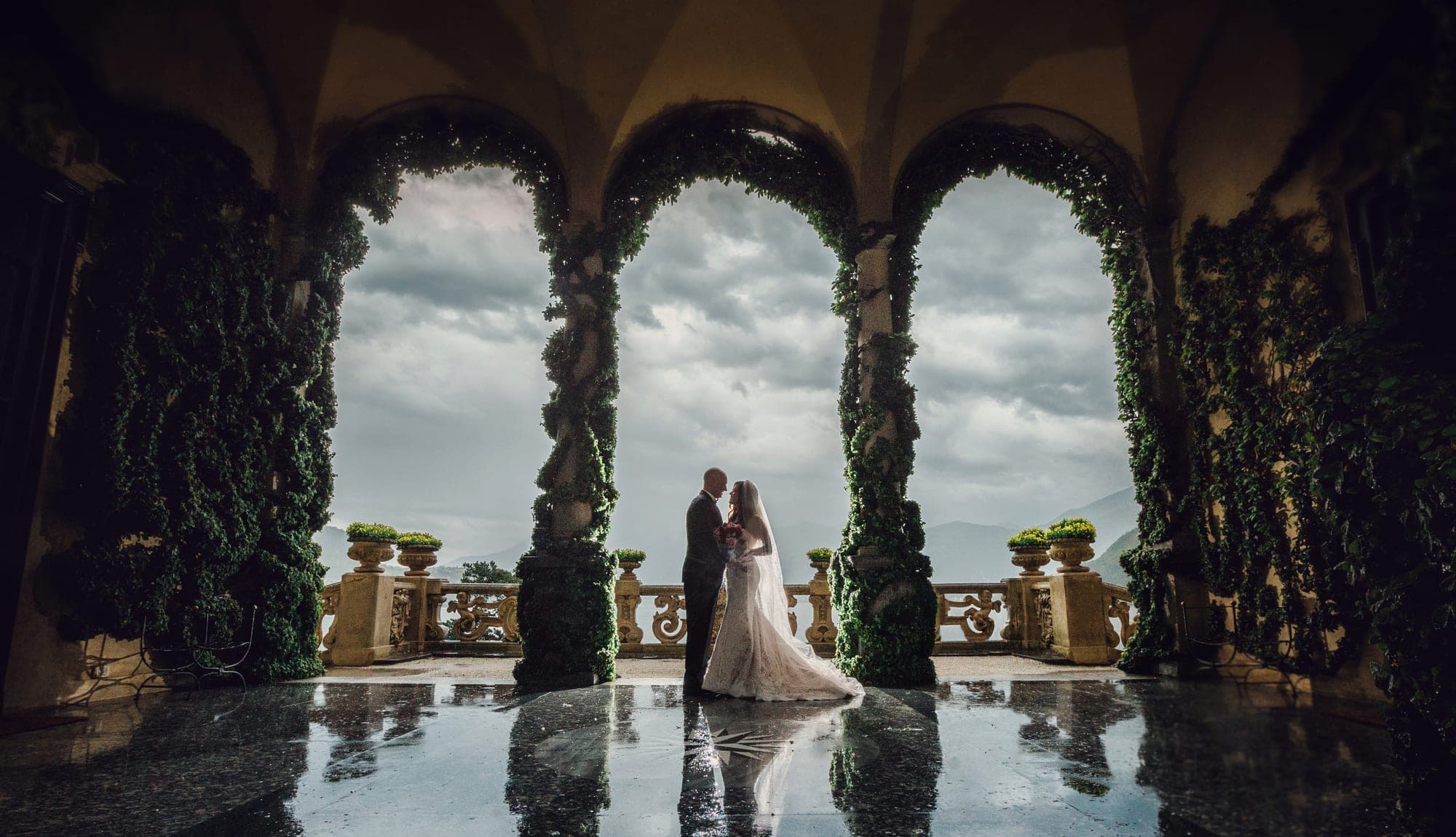
That is why we work as a lit studio, not a natural light one. Off camera light lets us build our own window when the real one is gray, keep skin tones clean under mixed hotel lighting, and shoot portraits in a covered entryway at the same quality we would have gotten on the lawn. It is also why our timeline reasoning survives a schedule change, and we walked through that logic in building the wedding day timeline around light.
Overcast is not a compromise, either. A flat sky is the largest softbox in existence. Add one light for direction and shape and you get the kind of even, forgiving portrait light photographers chase on purpose. Some of our favorite frames happen when the forecast looked terrible.
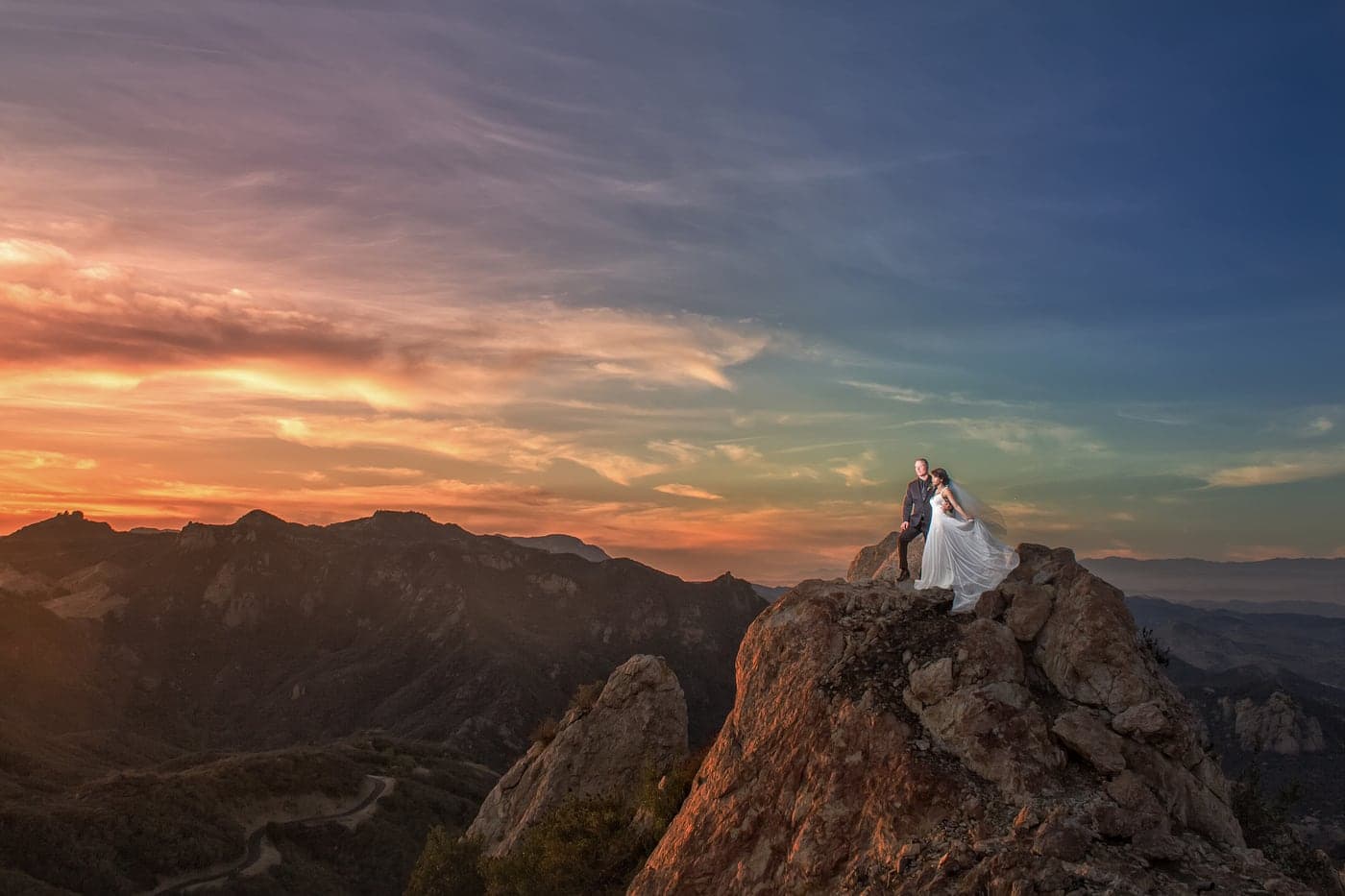
Twilight after a storm is the bonus nobody plans for. When a system clears around sunset, the sky goes textured and dramatic in a way a clear day never does, and wet pavement turns every light source into a reflection. If there is a ten minute break, we will come find you for it.
Scout Plan B Before You Need It
Every venue has an indoor backup. Not every indoor backup is a place you want your ceremony photographed. So we ask about it during planning rather than discovering it in the moment, and we walk it when we arrive: ceiling height, window direction, wall color, how much room exists behind the last row for us to work.
This is one reason venue type matters more than couples expect. Hotels and ballrooms are close to weatherproof by design, with covered arrival, interior corridors that photograph well, and staff who flip a room routinely. A property like the Gaylord Texan essentially never has a weather problem, since the atriums are indoors and enormous. Estates and chapels tend to have a single alternate room with a fixed capacity, which is exactly the number to confirm before you sign. Open air ranches and garden sites need a tent decision made weeks out, not days.
We compared those tradeoffs in choosing a DFW venue type, and the weather question is quietly one of the strongest arguments in that comparison. Our broader roundup of Dallas and Fort Worth wedding venues is a reasonable starting point if the venue is still open, and North Texas spring storm season in particular rewards properties with real interior options.
One more note for couples marrying in April, May, or October: build fifteen minutes of slack into the timeline. Not for rain, for the twenty minutes after rain, when a clearing sky is worth more than anything on the schedule.
Your Short List
Name the decision maker and the deadline. Confirm the indoor capacity in writing. Buy clear umbrellas and put them with the getting ready items. Keep the shoes you can walk in near the door. Then let your vendors work, because this is the part we have done hundreds of times.
Two people with cameras, lights, and a plan will get you the pictures. A wet day just changes which room they happen in. More of our common planning questions are answered on our FAQs page, and how we run coverage from first look through last dance is on our weddings page.
If you have a date and a venue with a questionable Plan B, send it to us. We will tell you honestly what that backup room looks like through a lens before you have to find out on the day.