The Engagement Session Playbook: Planning Light, Looks, and Location
An engagement session is not a warm-up, it is the rehearsal that makes your wedding photographs better. Here is how we plan the hour, the outfits, and the location, in that order.
Most couples treat the engagement session as a nice extra. We treat it as the single most useful hour of preparation in the entire booking, because it is the only time before the wedding that you stand in front of our cameras and find out what that actually feels like.
Here is the part nobody says out loud: almost nobody is comfortable being photographed as a couple. You have taken selfies together and you have posed at other people's weddings, but you have probably never had two people with cameras spend ninety minutes paying close attention to how you hold each other. The first ten minutes of an engagement session is where that awkwardness gets used up. The alternative is using it up on your wedding day, during the fifteen minutes of golden hour you will never get back.
So we plan these sessions properly. Light first, wardrobe second, location third. In that order, every time, because reversing it is how couples end up with beautiful clothes photographed in bad light at a place that photographs worse than it looks.
Light First, Always
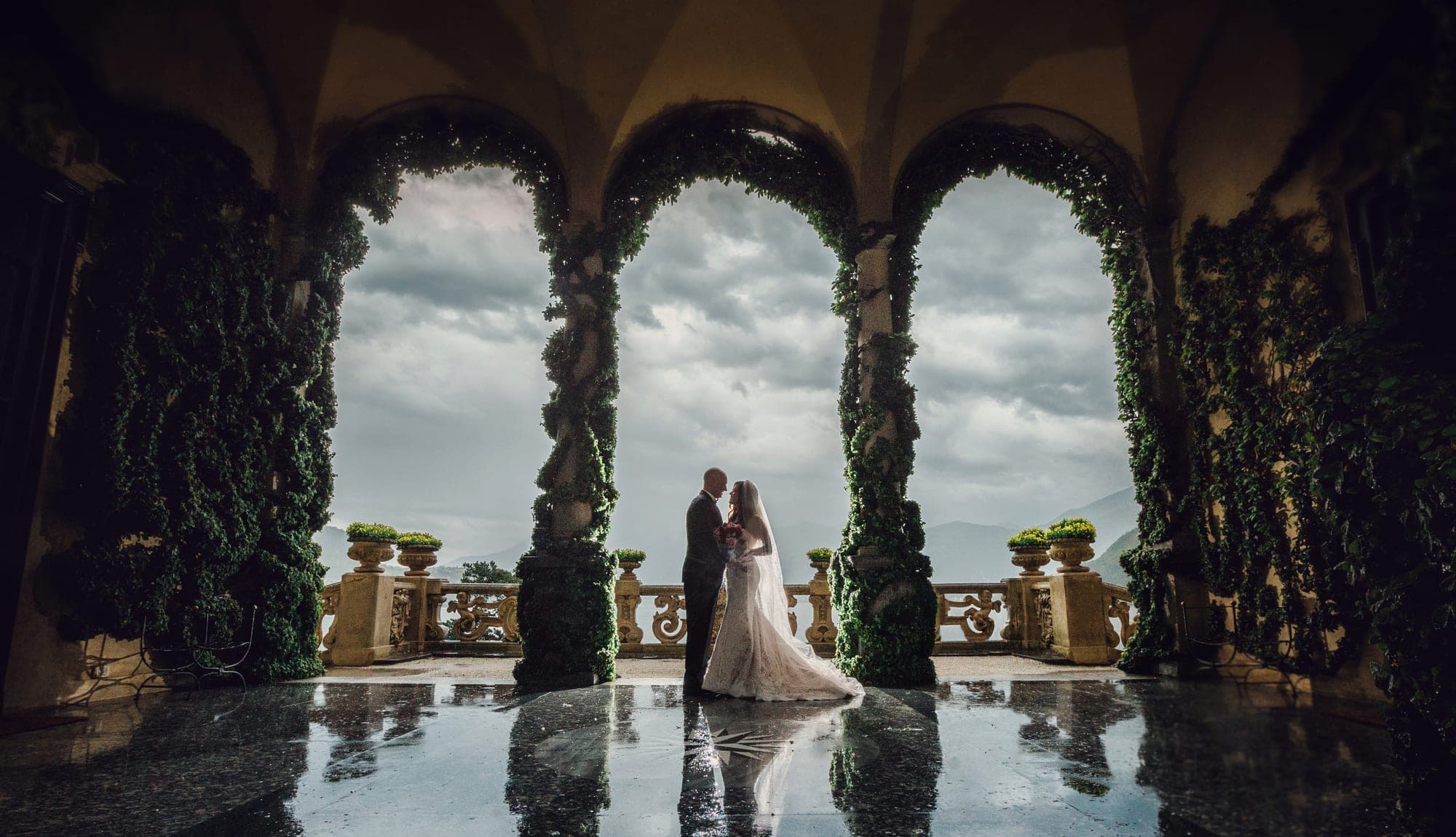
We pick the hour before we pick the place. An engagement session starts roughly ninety minutes before sunset and runs until the sky goes blue, which gives us three distinctly different looks inside one session: warm directional light while the sun is still above the treeline, the soft even wash right at sunset, and the cool twilight ten to fifteen minutes after, when a little added light makes the images feel cinematic.
This is the same reasoning we apply to a wedding schedule, which we lay out in building the wedding-day timeline around light. The sun does not negotiate. If your session is booked for two in the afternoon in July, no location and no outfit will rescue it, because midday sun in North Texas is straight overhead, contrasty, and unkind to everyone.
Overcast days are not a problem, they are a gift. A gray sky is the largest softbox available and it lets us shoot at four in the afternoon with the same quality of light we would get at seven. If a forecast turns cloudy, we usually keep the date rather than move it.
Two Looks, One Session
We plan two outfits for most sessions, and we plan them as a pair rather than as two separate ideas. One dressed up, one relaxed. The dressed-up look is what ends up framed on a wall or printed as a save the date, and the relaxed look is the one that actually looks like your Tuesday.
Our full guidance, including color palettes that hold up in print and the fabrics that photograph well in wind, lives on our dress code page. A few things are worth repeating anyway.
Wardrobe rules that never fail
- Coordinate, do not match. Two people in identical white shirts read as a uniform. Two people in adjacent tones read as a couple
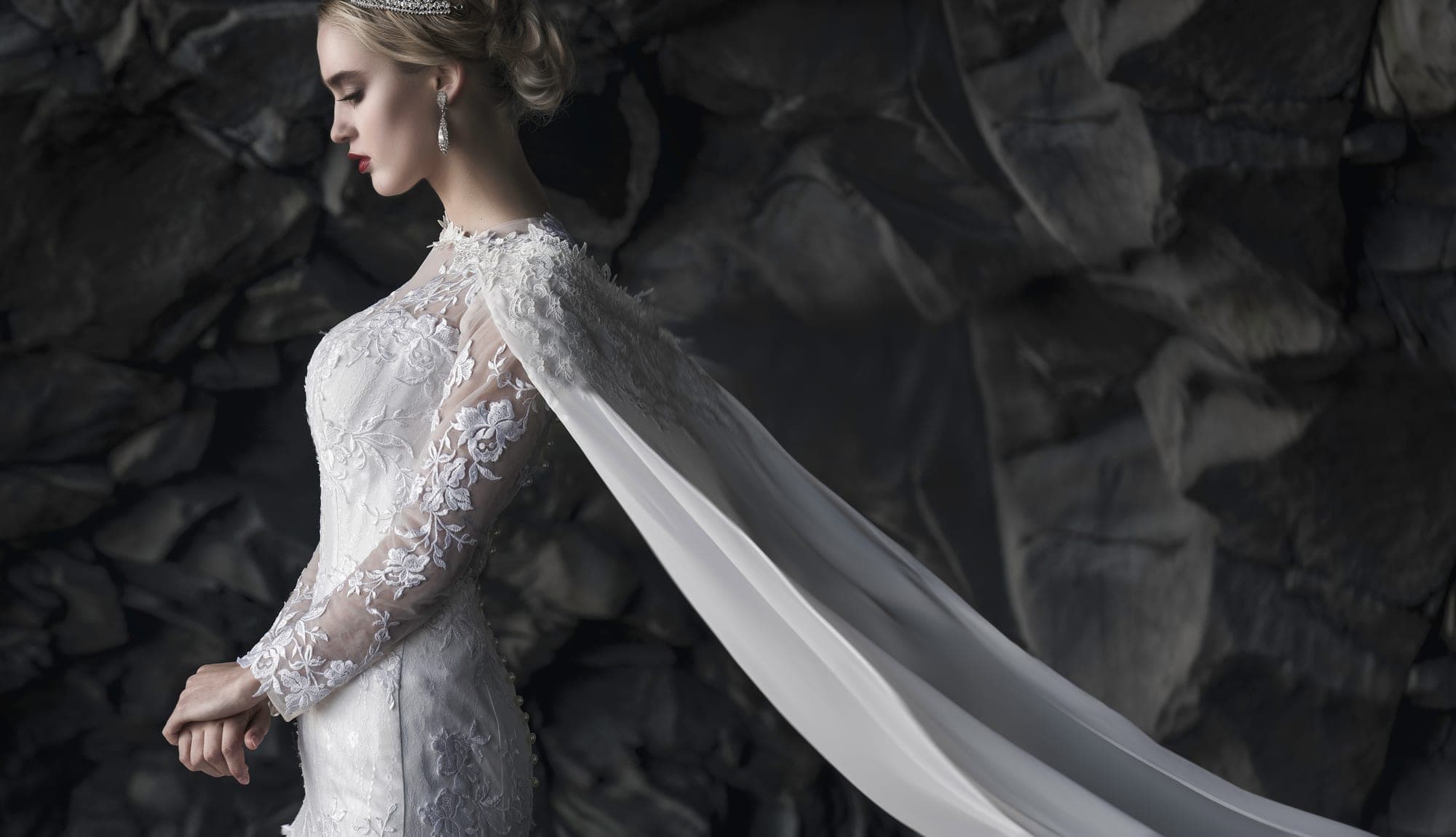
- Movement beats structure. Anything with flow (a long dress, a skirt with weight, an unbuttoned overshirt) gives us something that reacts to wind and walking
- Skip large logos, tight patterns, and bright neon. Fine stripes and small checks can shimmer in a photograph, and neon throws color onto skin
- Long sleeves and long hems photograph more formally than you expect, which is usually what couples want for the wall piece
- Bring the shoes you can actually walk in, plus the shoes you want in the frame. They do not have to be the same shoes
- Hair and makeup professionally done is worth it, and doubles as a trial run for the wedding
Choosing a Location That Photographs Well
A location has to do two things: hold good light at the hour we picked, and mean something to you. Both matter, but only one of them is negotiable, and it is not the light.
We keep running lists of the locations we know behave well, with notes on when each one is at its best and what the parking and permit situation looks like. The Southern California list is at our outdoor locations page, and the North Texas list is at Dallas and Fort Worth outdoor locations. Read them before you fall in love with something you saw on Instagram, because a lot of the places that photograph beautifully in one image are unworkable across a full session.
Broadly, North Texas gives us three useful families of location. Urban architecture, which means brick, glass, and long clean lines with reflected light bouncing between buildings. Open land, which means prairie grass and big sky where the sun sets unobstructed and the last twenty minutes are spectacular. And cultivated green, meaning arboretums, gardens, and tree-lined water where the canopy does the softening for us. Pick one family per session. Trying to combine downtown and open prairie in ninety minutes means you spend forty of those minutes in a car.
If your wedding venue allows it, shooting your engagement session on the property is an underrated move. You learn the grounds, we learn the light, and by the wedding day nobody is discovering anything. Our roundup of Dallas and Fort Worth wedding venues is a reasonable place to start if the venue itself is still undecided.
The engagement session is the only rehearsal you get for the way you two look together in a photograph. Spending it in bad light is the one mistake we cannot fix later.
How We Actually Direct You
Couples worry about posing, and the worry is almost always about the wrong thing. We are not going to arrange your hands. We are going to give you something to do and then photograph what happens in the seconds around it.
Walk toward us and talk about something specific. Tell him the thing you said when you first saw the ring. Whisper the worst part of the wedding planning so far. Movement and conversation produce real expressions, and real expressions are the entire point. The technically perfect frame of two people standing still with their chins turned correctly is a picture of nobody.
We do build a handful of deliberate, structured frames in every session, because those are the ones that print large and hang well. But they come after the loose ones, once you have forgotten we are there. If you want a sense of the range we are aiming for, we collected some of it in cute wedding picture ideas.
Season and Timing in North Texas
April and May, then October and November, are the windows where North Texas gives you comfortable temperatures, full green, and a sunset late enough to shoot after work. Summer sessions are entirely doable, but they need to start at the last possible hour, and we plan for heat with shade, water, and shorter walks.
Winter is quietly excellent. Bare trees photograph graphically rather than emptily, the light is low all day, and sunset arrives early enough that the whole session finishes before dinner. The only thing to plan around is wind, which North Texas does well.
On scheduling: aim for eight to ten months before the wedding if you want the images in save the dates, and earlier than that if you want a framed piece finished and delivered before the wedding. Both of those deadlines sneak up on people.
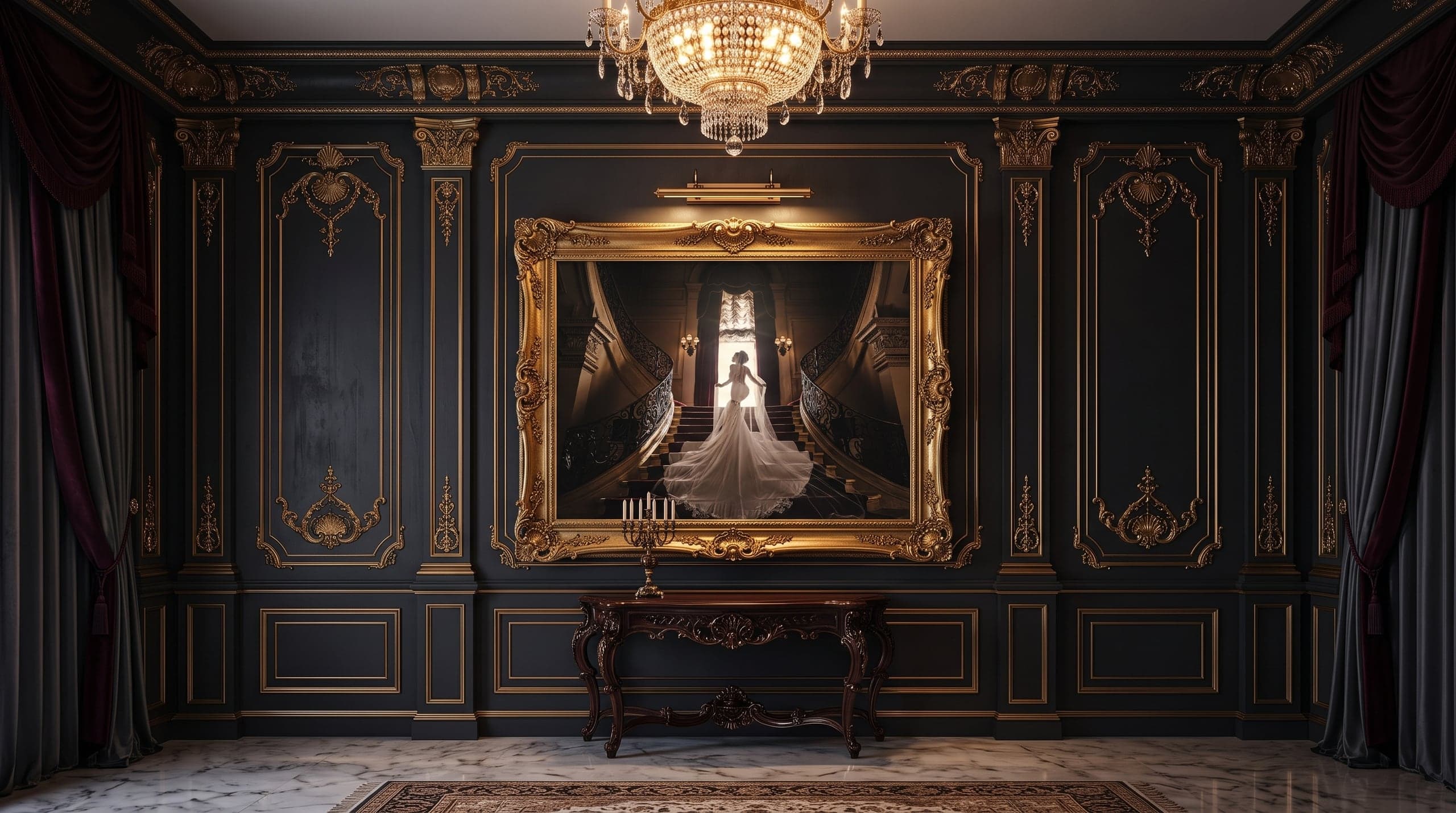
What happens to the images afterward is part of the plan too. We design engagement images alongside the wedding work, and the best of them frequently end up in the first spread of the album or as a piece in the home. Our wedding art collections page shows how that works, and if you want the argument for putting these on a wall rather than a hard drive, we made it in why printed wall art matters.
The Short Version
Book the ninety minutes before sunset. Bring two coordinated looks. Pick one location family, not three. Come ready to talk to each other instead of at the camera. That is the whole playbook, and it works in Dallas, in Fort Worth, in Los Angeles, and everywhere else we have carried a camera.
How we run engagement coverage as part of the larger wedding process is on our weddings page. If you already have a date and a rough idea of where you want to shoot, tell us about it and we will tell you what hour to book and what the light will be doing when we get there.