Wedding Albums: The Heirloom Your Grandchildren Will Find
A hand-bound album is the one wedding purchase that gets handed down. Here is how ours are made, how we design them, and why the printed book outlives every hard drive.
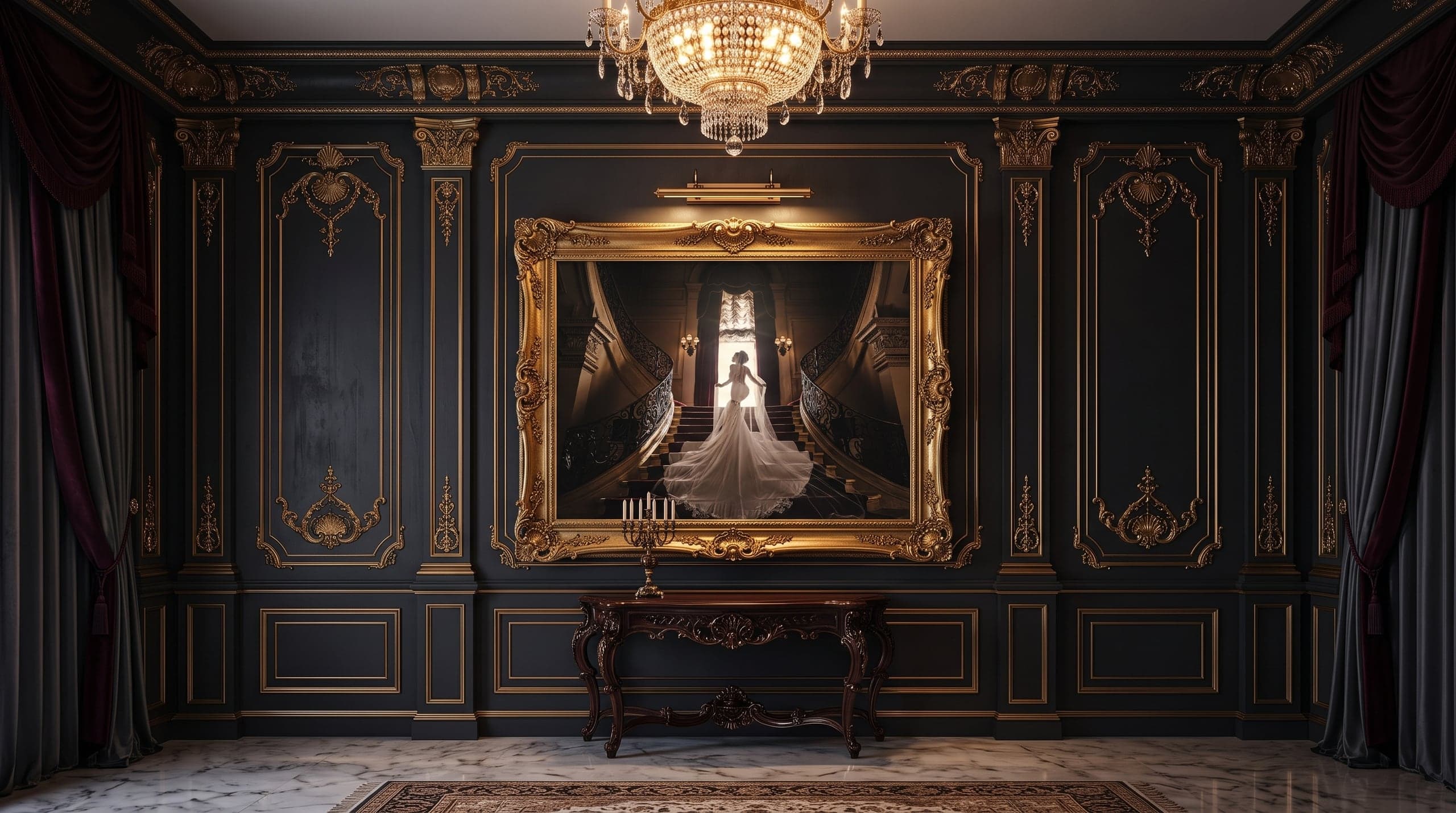
Think about the oldest photograph you have ever held. Not seen on a screen. Held. There is a good chance it came out of a box in a parent's closet or a grandparent's hutch, and there is a very good chance nobody planned for you to find it. It survived because it was a physical object in a house, and physical objects in houses get inherited.
That is the entire argument for a wedding album, and it is not a sentimental one. It is a practical observation about how images actually travel through a family. Files get migrated, or they do not. Books get carried from one house to the next, put on a shelf, and opened by somebody who was not born when the pictures were made. In fifteen years and more than a thousand weddings, we have never had a couple tell us they regretted the book.
What Actually Survives Fifty Years
Digital storage is excellent at the short term and unreliable at the long term. Drives fail, formats drift, subscriptions lapse when a card expires, and phones get replaced without anyone auditing what came along. None of that is a reason to distrust digital files. It is a reason not to make them the only copy of the most photographed day of your life.
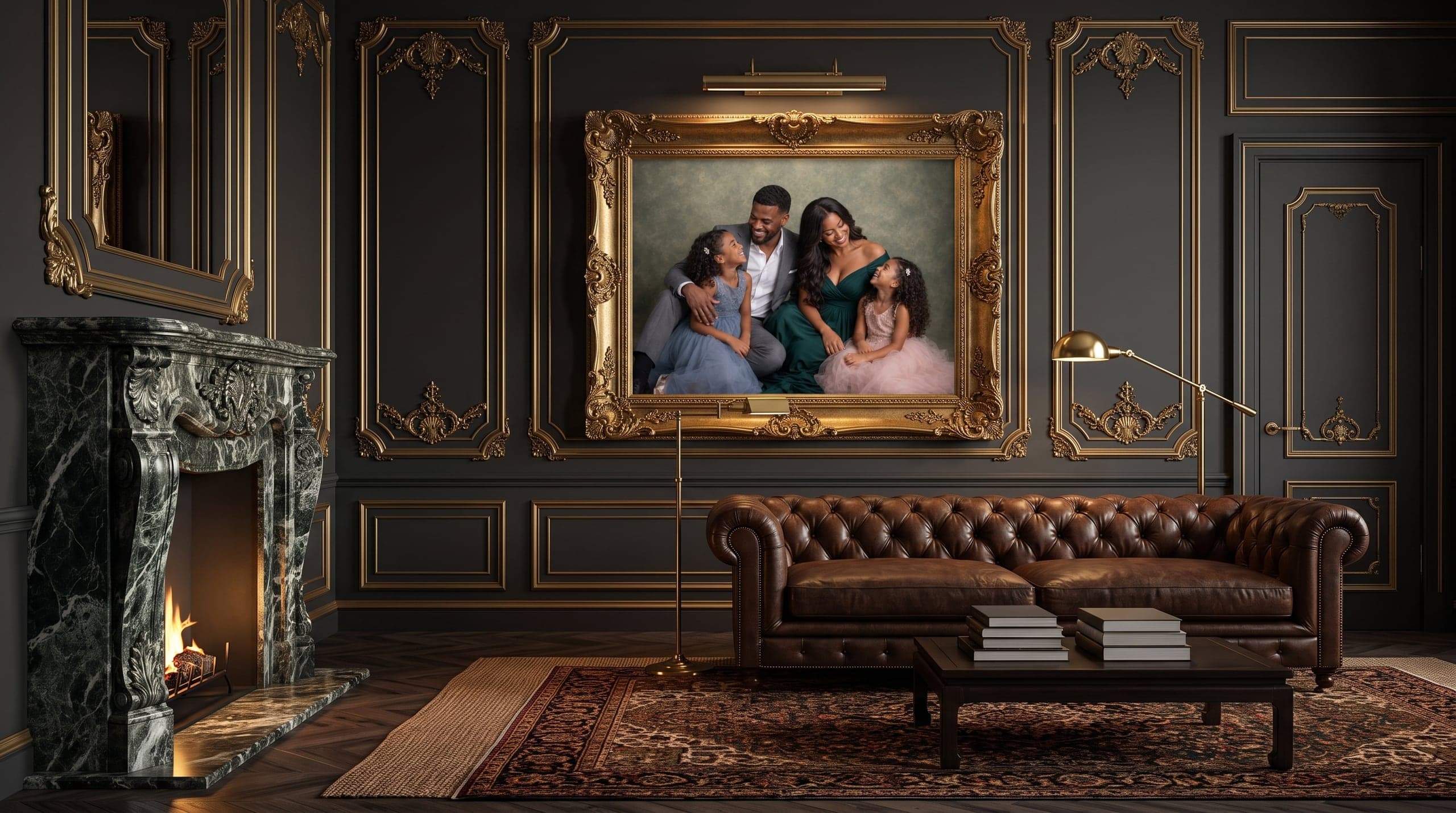
A properly made print is a different kind of object. Pigment on cotton rag paper, kept out of direct sun, is stable for generations. We make the same case for the walls of your home in why printed wall art matters, and the logic is identical for the book, with one addition: an album is portable. A wall piece stays with a house. A book goes wherever the family goes.
There is also the question of how the images get seen. Nobody sits their grandchildren down in front of a cloud gallery. They open a book on a kitchen table, and the pace of turning pages is the pace of telling a story.
How Our Albums Are Made
Our wedding albums are hand-bound by Blacksmith, and the difference between a bindery album and a photo book you order online is obvious the second you pick one up. It has weight. The cover has grain you can feel. It opens flat and stays open.
The construction details are the whole product, so they are worth naming. Covers are genuine leathers and heavy linens, and they can be debossed or fitted with a cover image. Pages are thick, rigid, and layflat, which means a spread crosses the gutter without a seam swallowing anybody's face and without the book fighting you to stay open. Prints are made on archival stock, and the binding is stitched and finished by hand rather than glued in a machine. Sizes run from a modest keepsake to a substantial coffee table book, and every one of them is built to be handled rather than protected.
You can see the materials, cover options, and sizes on our albums page. When couples visit our studios in McKinney and Valencia, this is the part of the consultation where the conversation changes, because a photograph of an album tells you almost nothing. Holding one tells you everything.
An album is the only thing you buy on your wedding day that somebody who has not been born yet will open.
Design Is Editing, Not Cramming
The most common mistake we see in albums is treating the book as an archive. Eight hundred images at four per page is not a story, it is a filing cabinet with a leather cover. A great album has a shape: arrival, preparation, the ceremony beat by beat, the portraits, the room before anyone is in it, the toasts, the floor at eleven o'clock.
So we design with restraint and with pacing. A single frame gets a full spread when it deserves the air. A dance floor sequence can carry six frames on one page because the energy is cumulative. Details cluster. Family formals belong in a clean, generous grid, which is one reason we plan that list before the day rather than during it, exactly as we lay out in the formal wedding photo shot list.
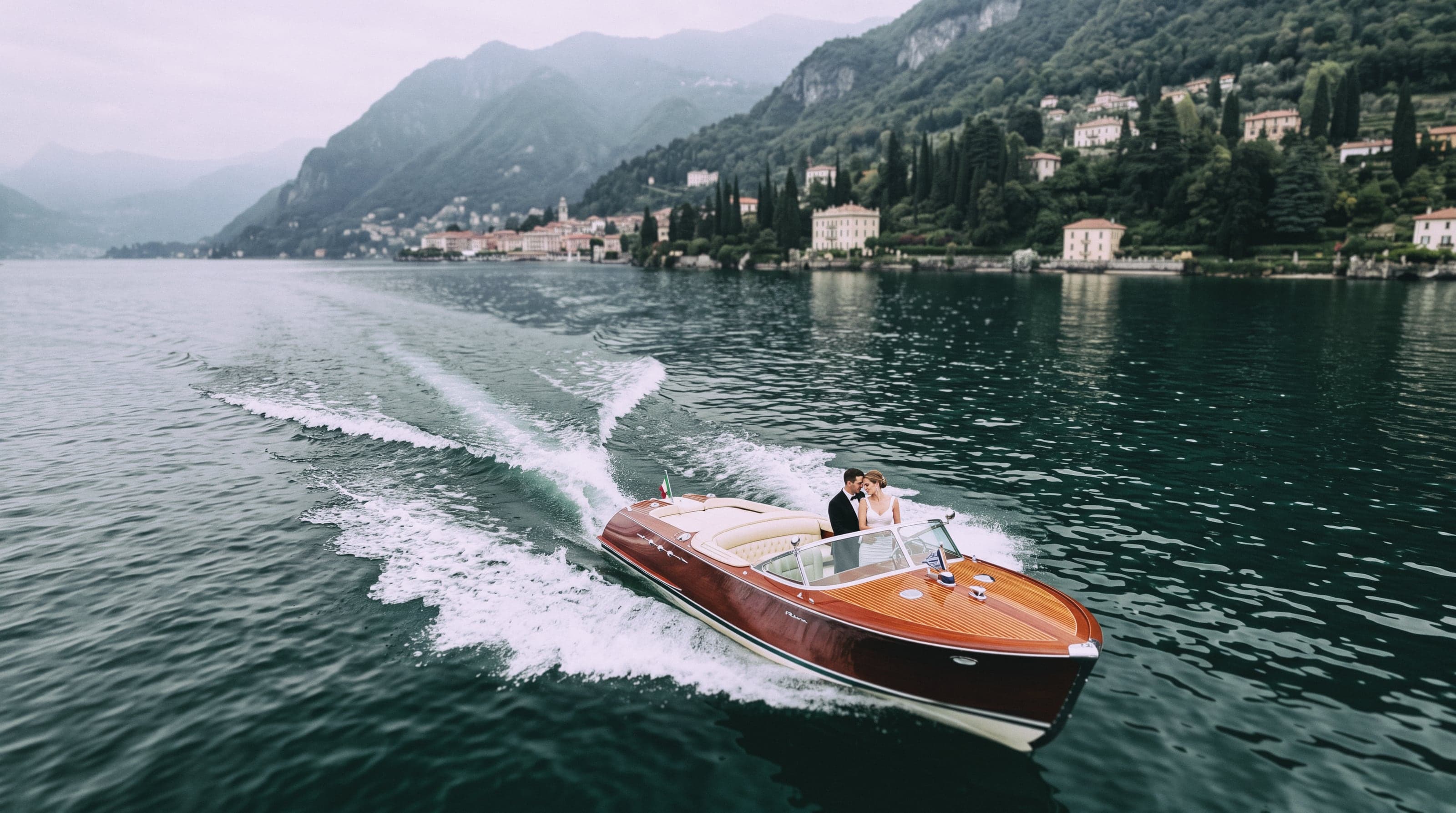
Venue matters to the design more than couples expect. A grand ballroom in downtown Dallas wants wide establishing spreads and architecture. A North Texas estate with acreage and long light wants landscape frames that breathe. Chapels want verticals. If you are still choosing, our roundup of Dallas and Fort Worth wedding venues is a decent map of how differently these rooms photograph, and we design the book to the room you actually chose.
Why We Design It With You in the Room
We do not send a gallery link and hope a book eventually happens. Every wedding includes an in-person reveal where we project the images at real size and build the album together, spread by spread, with the two of you deciding what stays. Decisions get made once, in one sitting, while the day is still vivid enough that you remember who was standing where.
This is also where the album stops being one product and becomes a set. Most couples add parent albums, which are smaller duplicates of the same design, and many add framed pieces for the wall out of the same edit. Those combinations are laid out in our wedding art collections, and everything is published openly on our investment page with twelve-month interest-free financing, so a real heirloom does not have to be a single-payment decision in the same year as the wedding.
Practical Guidance We Give Every Couple
A few rules save couples from the two failure modes we see most often, which are waiting too long and buying too small.
How to end up with a book you love
- Order it within the first year. Momentum matters, and the edit is sharper while the memories are fresh
- Choose fewer images than instinct suggests. Sixty to eighty spreads is a story; two hundred is a database
- Size up. The larger book gets opened more, because faces read at arm's length instead of requiring a lean
- Match the cover to your home, not to a trend. Black leather, cognac, and natural linen all age well
- Add parent albums at the same time as the main book, while the design is already built
- Keep it on a shelf, upright, out of direct sun and away from heat vents. That is the whole maintenance routine
- Keep your digital files backed up in two places anyway. The book is the heirloom, not the backup
The Long View
We spend a great deal of energy on the craft of the wedding day itself, on light, on timing, on the split-second decisions that make a frame worth keeping. None of that means much if the results live in a folder nobody opens. The album is where the work lands.
Ten years from now you will not remember what the linens cost. You will remember that the book is on the shelf, that your kids know how to find it, and that the pages still open flat. Browse the finished pieces on our artwork page, or come see and hold one at either studio before you decide what your day should become.