Formal Wedding Photos: The Shot List That Makes Them Timeless
Formals are the photographs your family will actually frame. Here is the shot list we work from, how long each grouping really takes, and what separates elegant, timeless formals from the stiff ones.
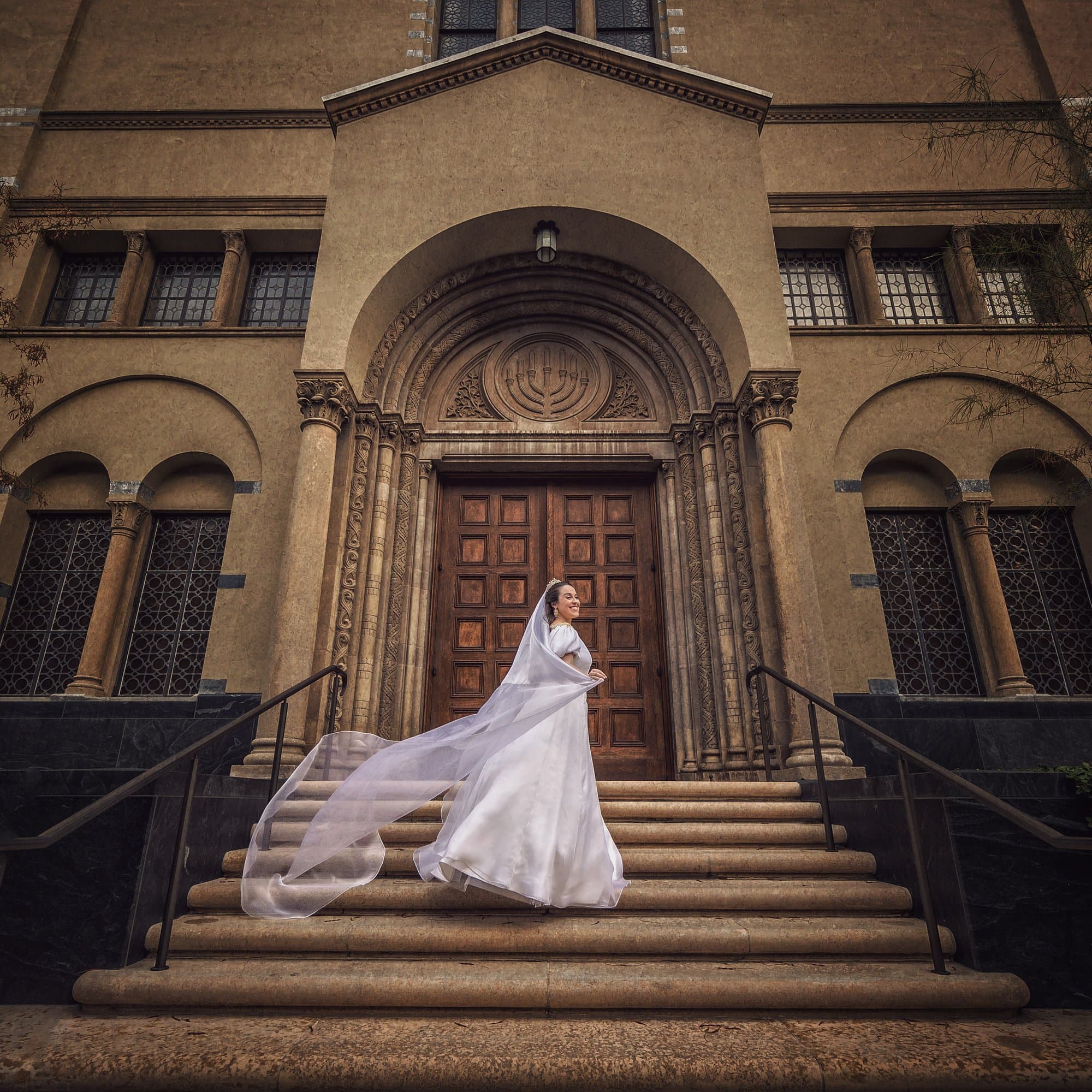
Candids get the attention on Instagram, but walk through any family home and look at what is actually framed on the walls. It is the formals. The portrait of the couple. The parents on either side. The grandparents who traveled to be there. Formal photos for a wedding are the photographs that outlive the trend cycle, and they deserve more intention than a rushed twenty minutes between ceremony and cocktail hour.
We have photographed weddings for more than fifteen years across Los Angeles, Dallas-Fort Worth, and nine countries, and the pattern never changes: couples underestimate formals before the wedding and treasure them after. This guide shares the exact formal shot list we use, honest timing, and the craft decisions that make traditional wedding portraits read as elegant rather than stiff.
What Counts as a Formal, and Why They Matter
A formal is any posed, directed photograph made with intention: the couple's portraits, family groupings, the full wedding party, and the individual portraits of the bride and groom. Everything else on the day, the getting ready, the ceremony tears, the dance floor, is documentary. Formals are the opposite discipline. They are built, lit, and directed like classic wedding photography has been for a century, which is exactly why they do not age.
That heritage is the point. Trends in editing and posing come and go, but a well-lit portrait of two people in their finest clothes, standing in beautiful architecture, looked right in 1950 and will look right in 2050. When we talk about timeless wedding photography, this is the core of it: photographs your grandchildren will recognize as art, not as a filter.
The Formal Shot List We Actually Use
Every published wedding formal checklist runs long, and most of them read like they were written by a planner who has never held a camera. This is the working list we build from at real weddings. Adjust the family groupings to your family, but resist the urge to double it, because every added grouping costs two to three minutes you will want back for portraits of the two of you.
The core formal shot list
- Bride alone: full length, three-quarter, and a close portrait with the bouquet
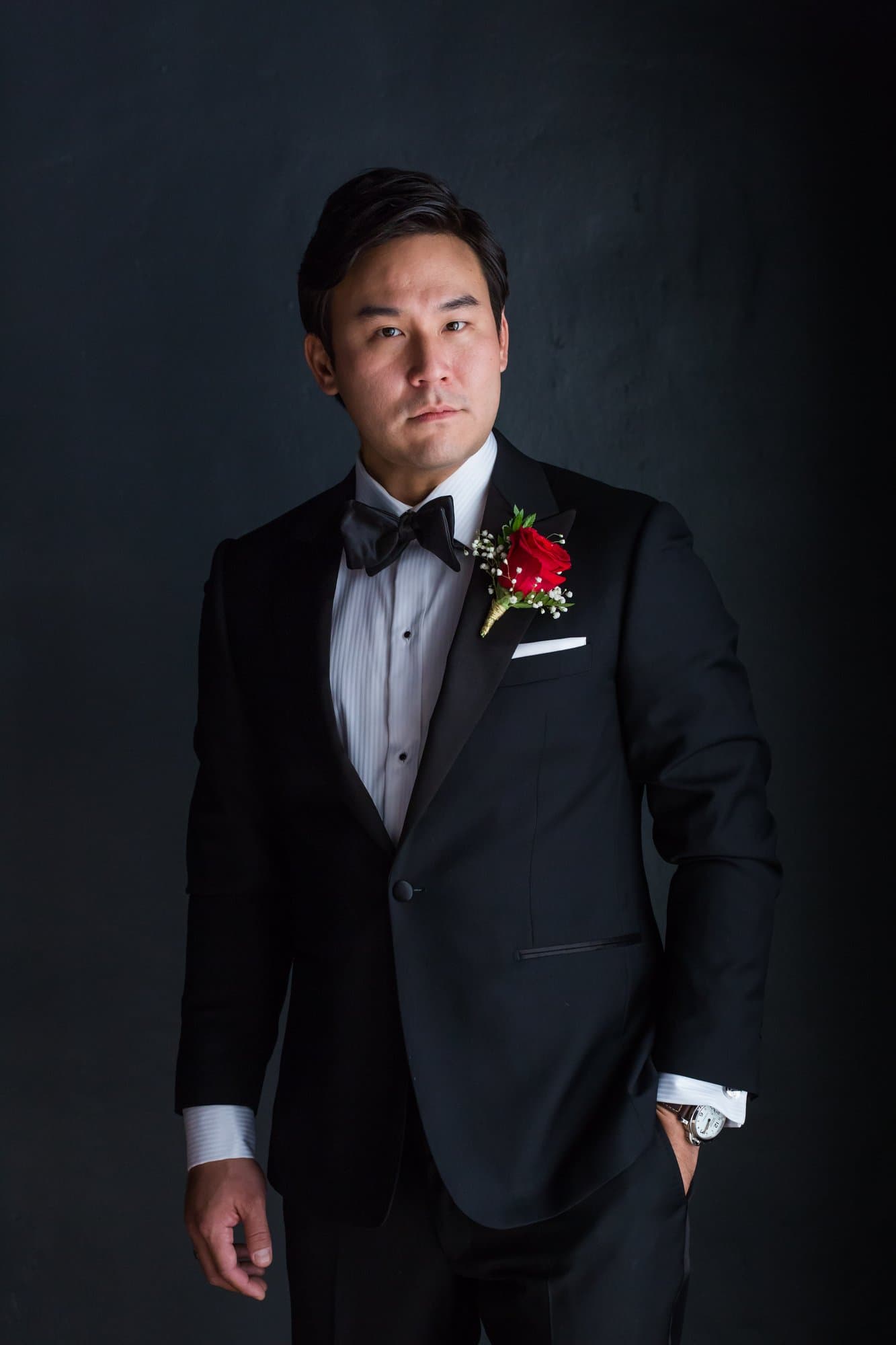
- Groom alone: full length and a close portrait, hands relaxed, jacket buttoned
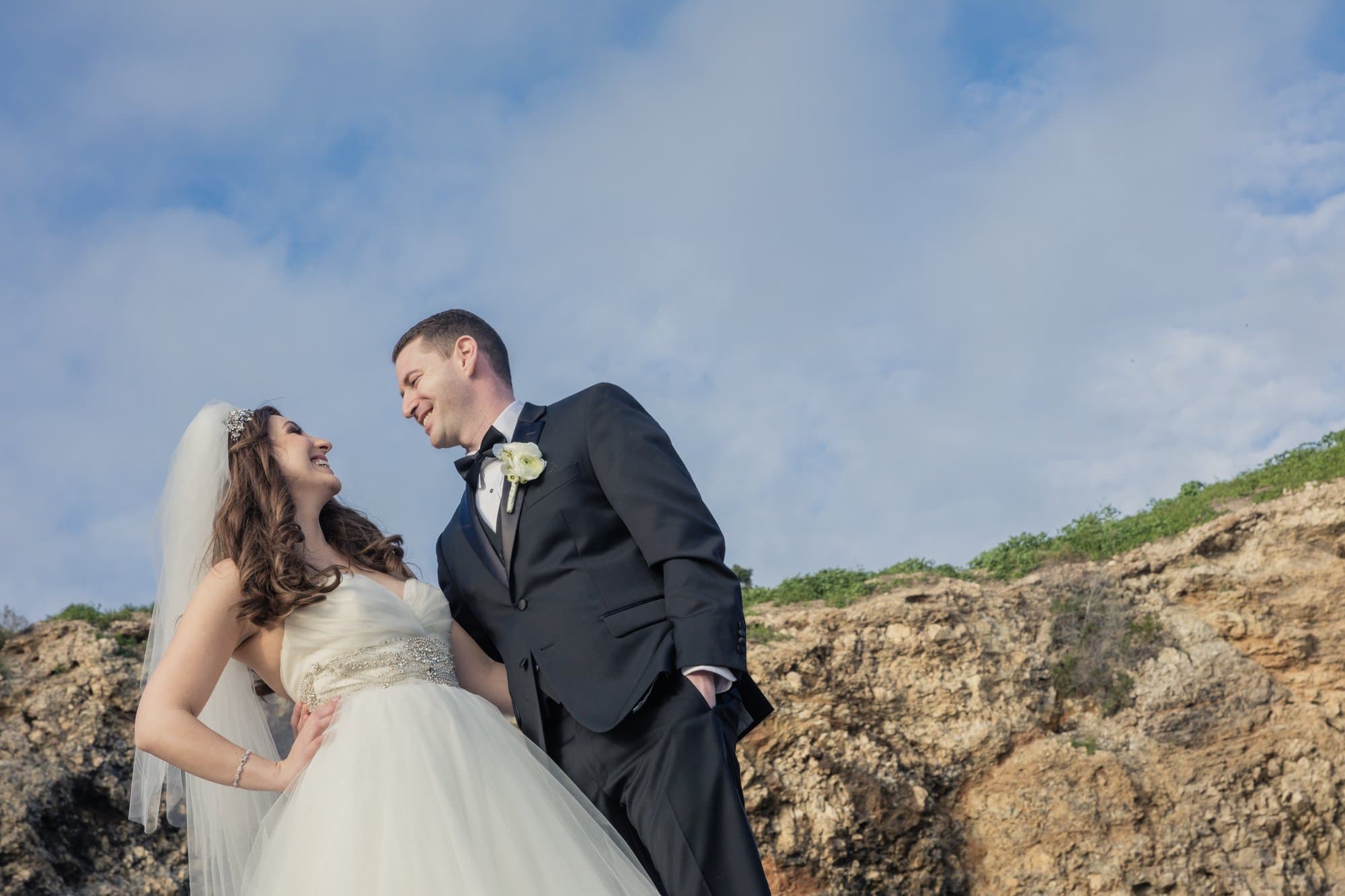
- Couple together: full length, close, and one dramatic composition that uses the venue
- Bride with parents, then groom with parents
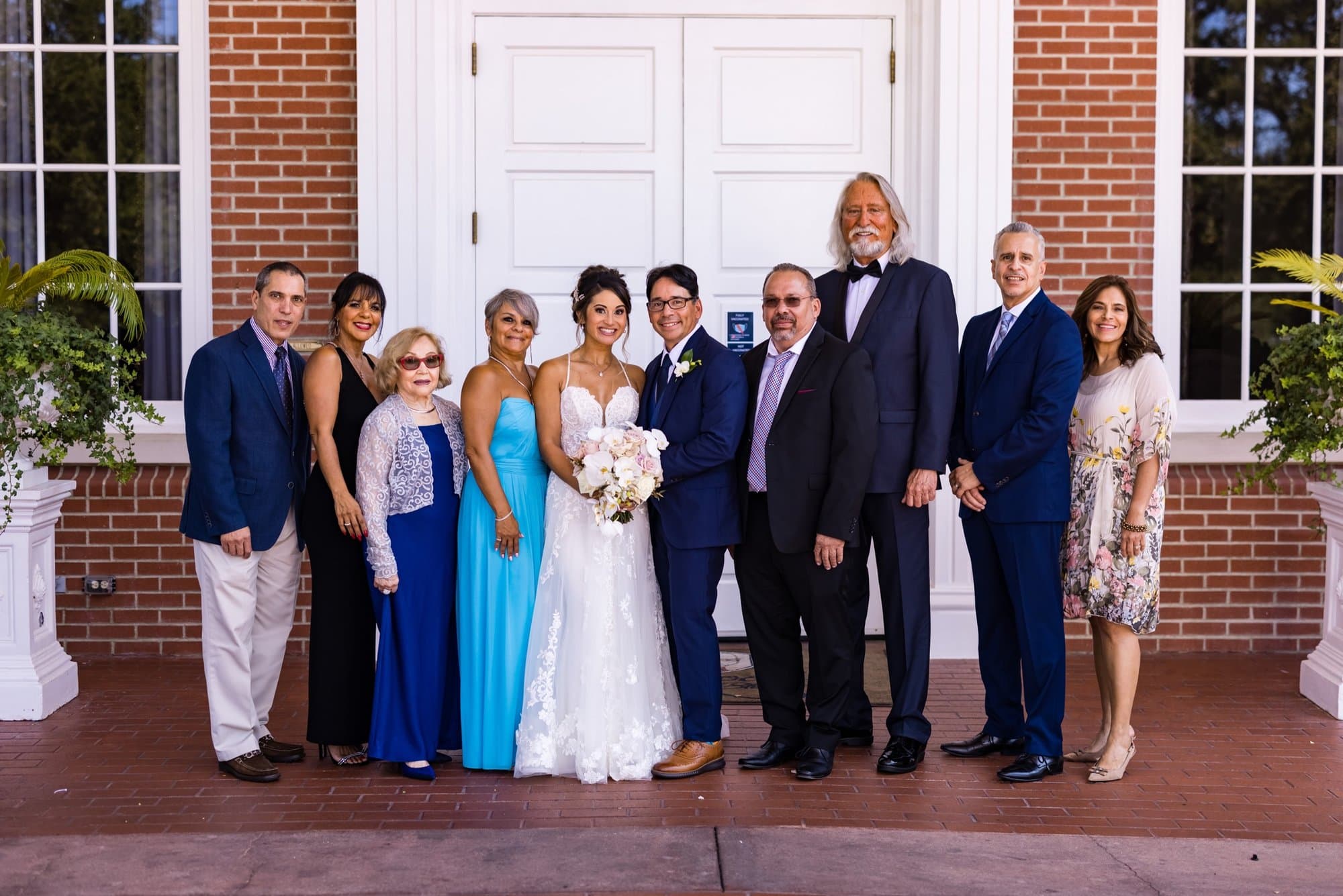
- Each side's immediate family with the couple
- Both immediate families together in one frame
- Grandparents with the couple, photographed early while everyone is fresh
- Bride with bridesmaids, one clean formal and one relaxed
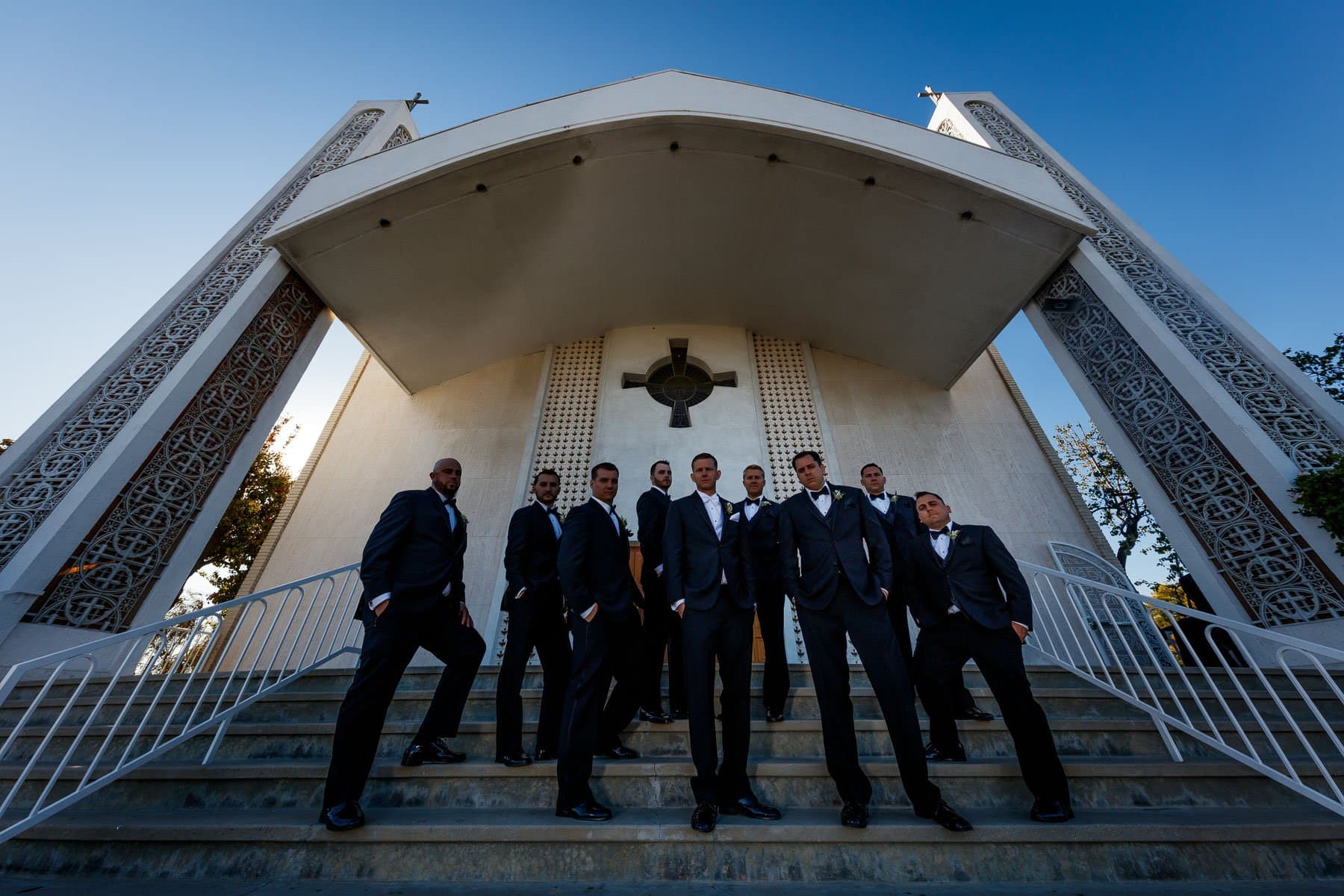
- Groom with groomsmen, same pair
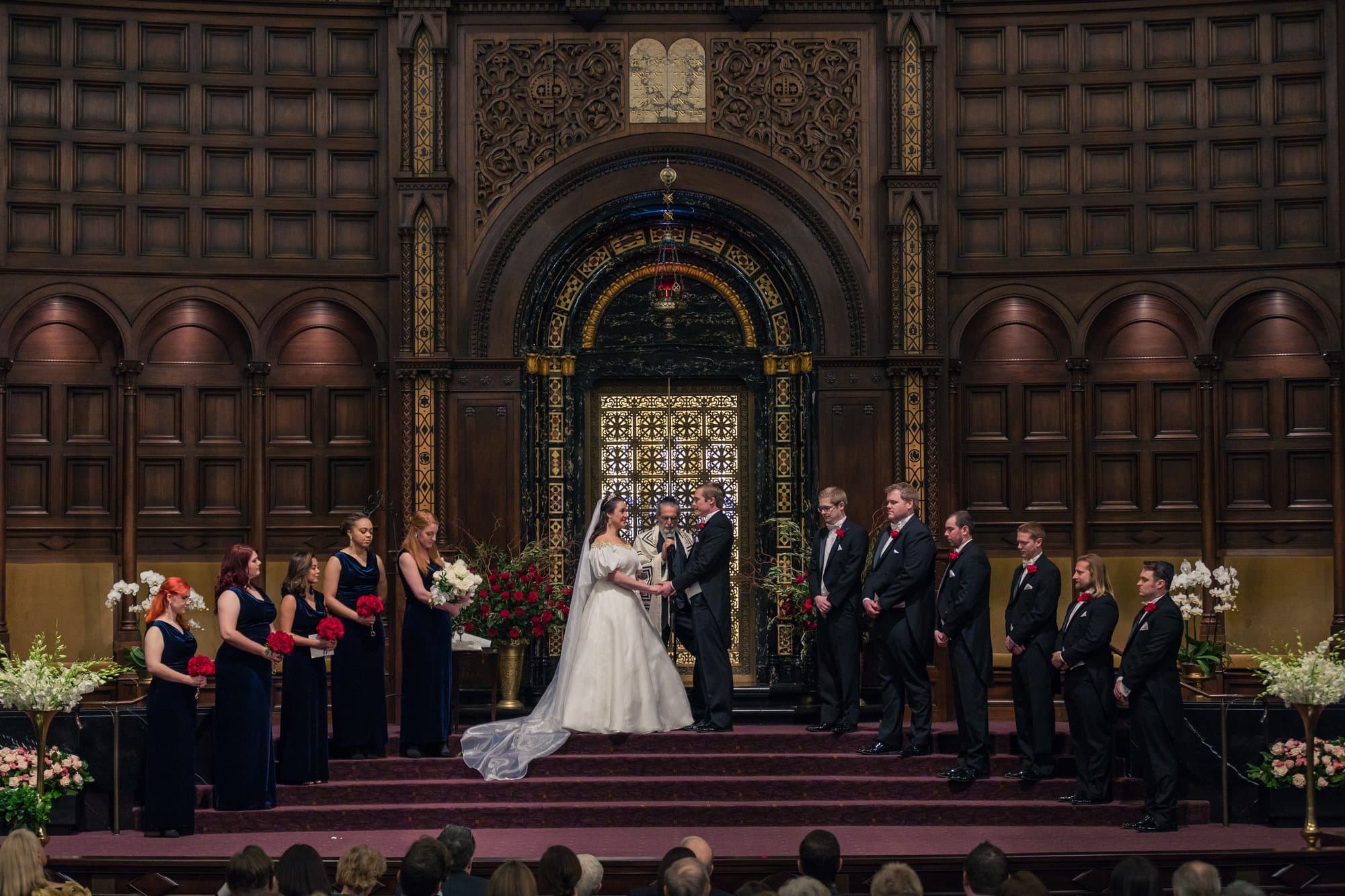
- The full wedding party in one composed frame
- Any blended, step, or chosen-family groupings that matter to you, named in advance
How Long Formals Really Take
Here is the honest math we walk through when we build a wedding timeline: each grouping takes two to three minutes once people are standing in place, and gathering people takes longer than photographing them. Ten family groupings is thirty minutes if someone keeps the list moving, and forty-five if nobody does. The full wedding party takes ten minutes on its own, because arranging twelve people so everyone's face is clean in the frame is real work.
Two decisions protect you. First, appoint a wrangler, one loud cousin or a coordinator who knows every name on the list and pulls the next grouping while we photograph the current one. Second, schedule grandparents and anyone elderly first, so they are photographed while the light and their energy are at their best, and then free to enjoy cocktail hour.
A first look changes everything here. Couples who see each other before the ceremony can finish most formals before guests ever arrive, which means cocktail hour belongs to them instead of the shot list. Couples who wait keep the tradition, and we compress the list into a tight, directed thirty minutes. Both work. What does not work is pretending forty groupings fit into twenty minutes of fading light.
Family Formals Without the Chaos
Family formals collapse for one reason: nobody agreed on the list before the wedding. Two weeks out, we ask every couple for the named groupings, not roles but names, so on the day we are calling people, not describing them. We also ask one quiet question that saves real heartache: is there anyone who should not be placed next to anyone else? Divorced parents deserve a plan, not an improvisation in front of eighty guests.
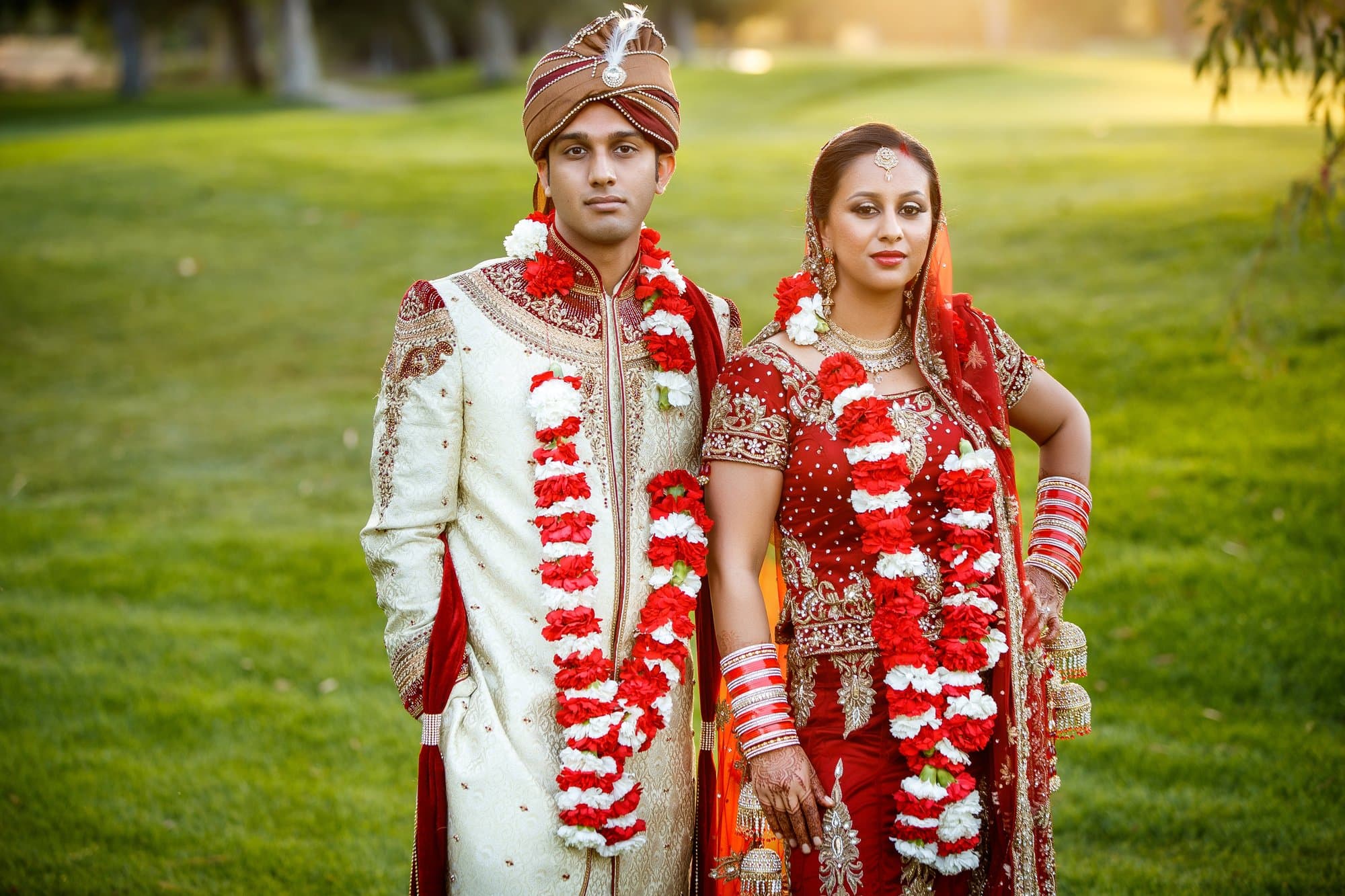
For multicultural and desi weddings, family formals carry even more weight, and the list runs longer by design. A Punjabi or South Indian wedding can carry a dozen extended-family groupings across two events, and desi wedding family formal photography has its own rhythm: the jaimala garlands, the lehenga and sherwani details, both extended families in frames large enough to hang in two households across two continents. We have photographed Indian, Persian, Armenian, and fusion weddings across both coasts, and the answer is always the same, name the groupings early and give them the time they deserve.
One craft note that matters in every culture: we build family formals around clean, even light and simple backgrounds, doors, columns, hedges, rather than busy scenery. The people are the subject. The background is a stage.
What Makes Formals Elegant Instead of Stiff
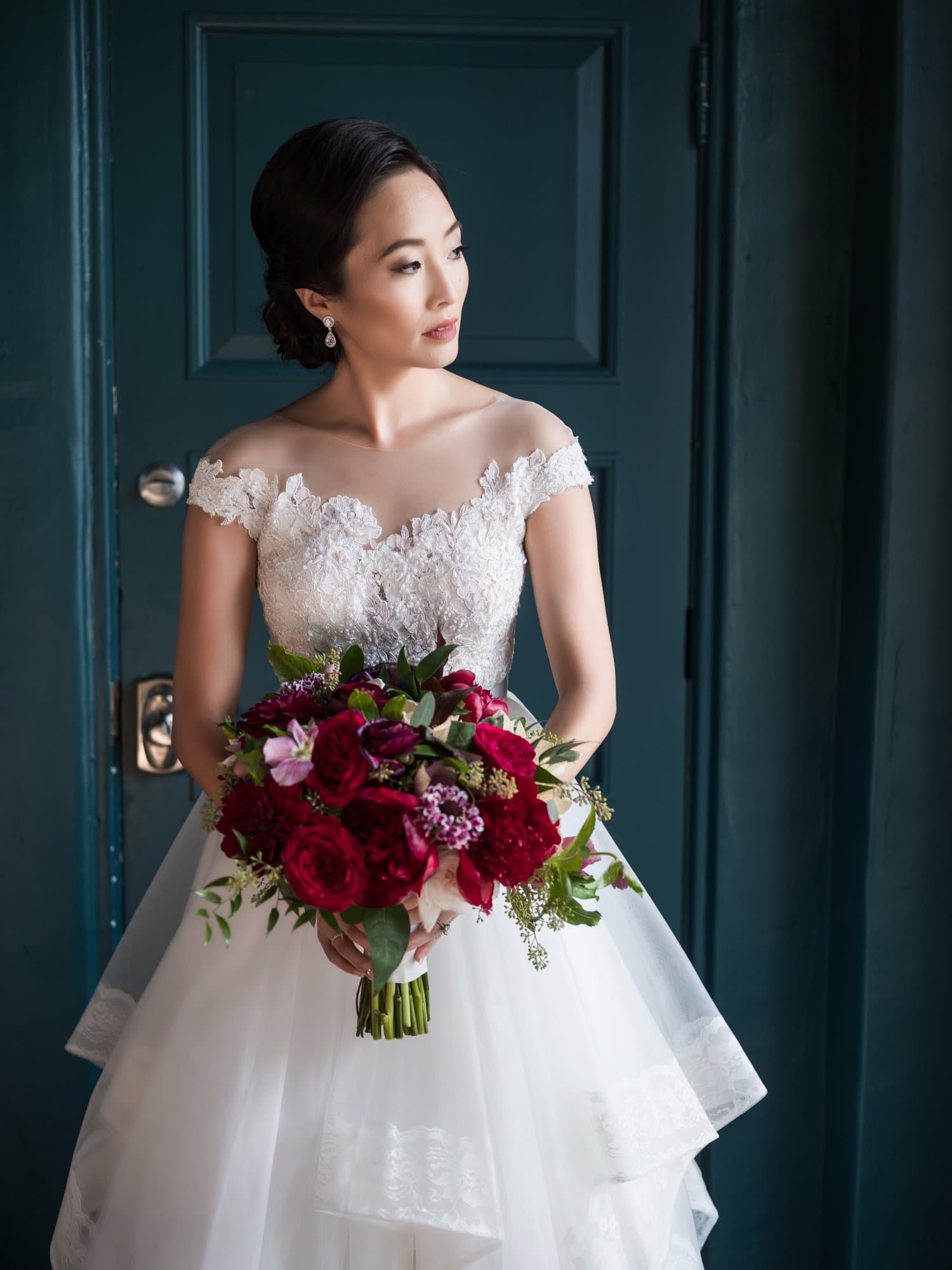
The difference between elegant wedding photos and the awkward line-up from your parents' era is not the people, it is the direction. Nobody knows what to do with their hands, so we tell them. Weight on the back foot. Bouquet at the hip bone, not the chest. Grooms with a hand resting in a pocket, thumb out, jacket buttoned. Small physical instructions read as confidence in the final photograph.
Light does the rest. We treat formals like studio portraiture that happens to be on location: a key light shaping faces even at high noon, backgrounds chosen for depth, and compositions that use the venue's architecture the way a painter uses a backdrop. It is the same discipline behind our studio portrait work, applied at wedding speed.
And expression is directed too. A genuine laugh two seconds after we say something ridiculous will always beat a held smile on frame one. The formals that feel timeless are the ones where everyone looks like the best version of themselves, not a version holding their breath. If you are still choosing a photographer, watch for this in full galleries, not highlight reels: do the family formals look composed and alive, or checked off?
Where Formals Shine: Use the Architecture
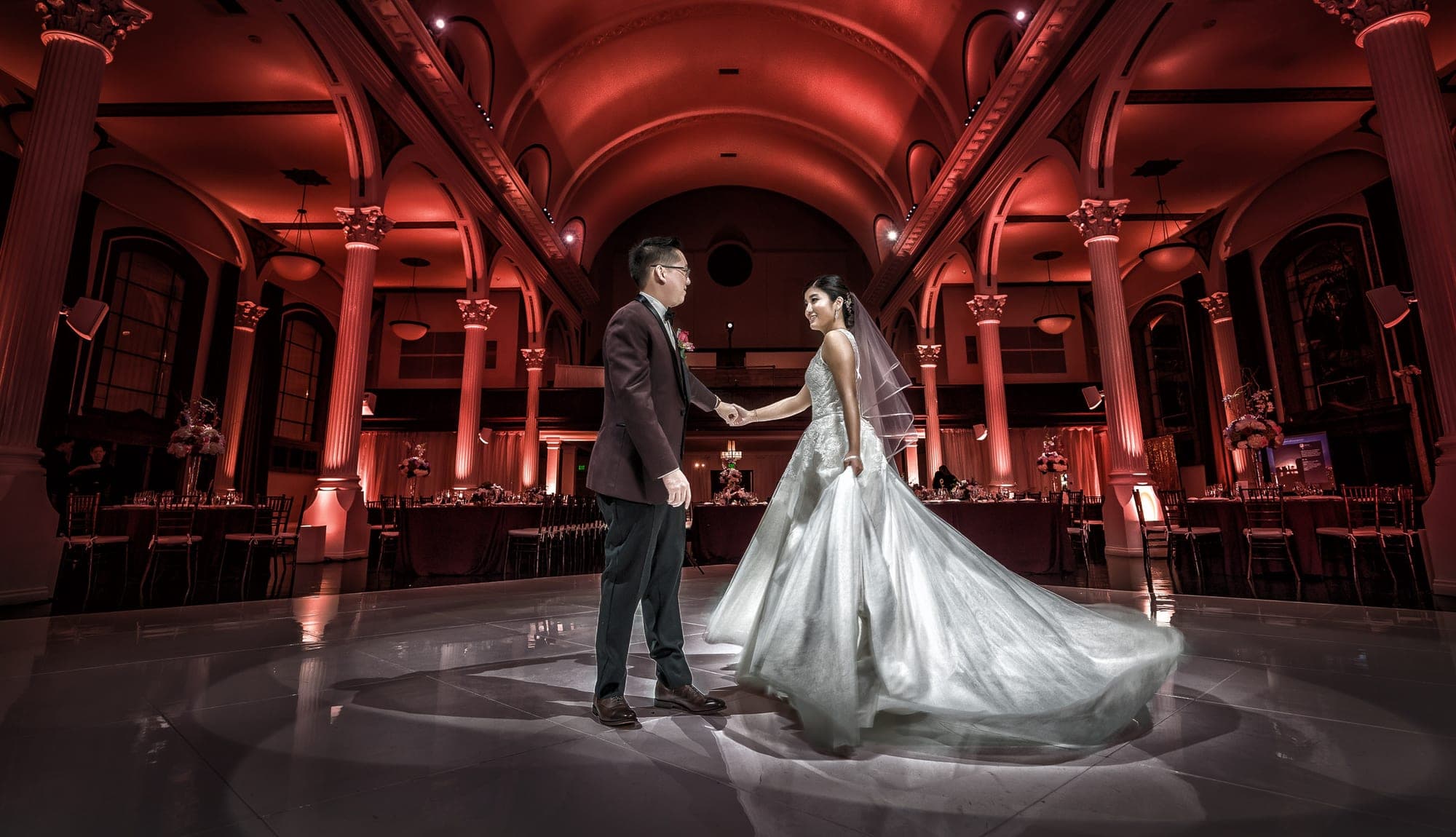
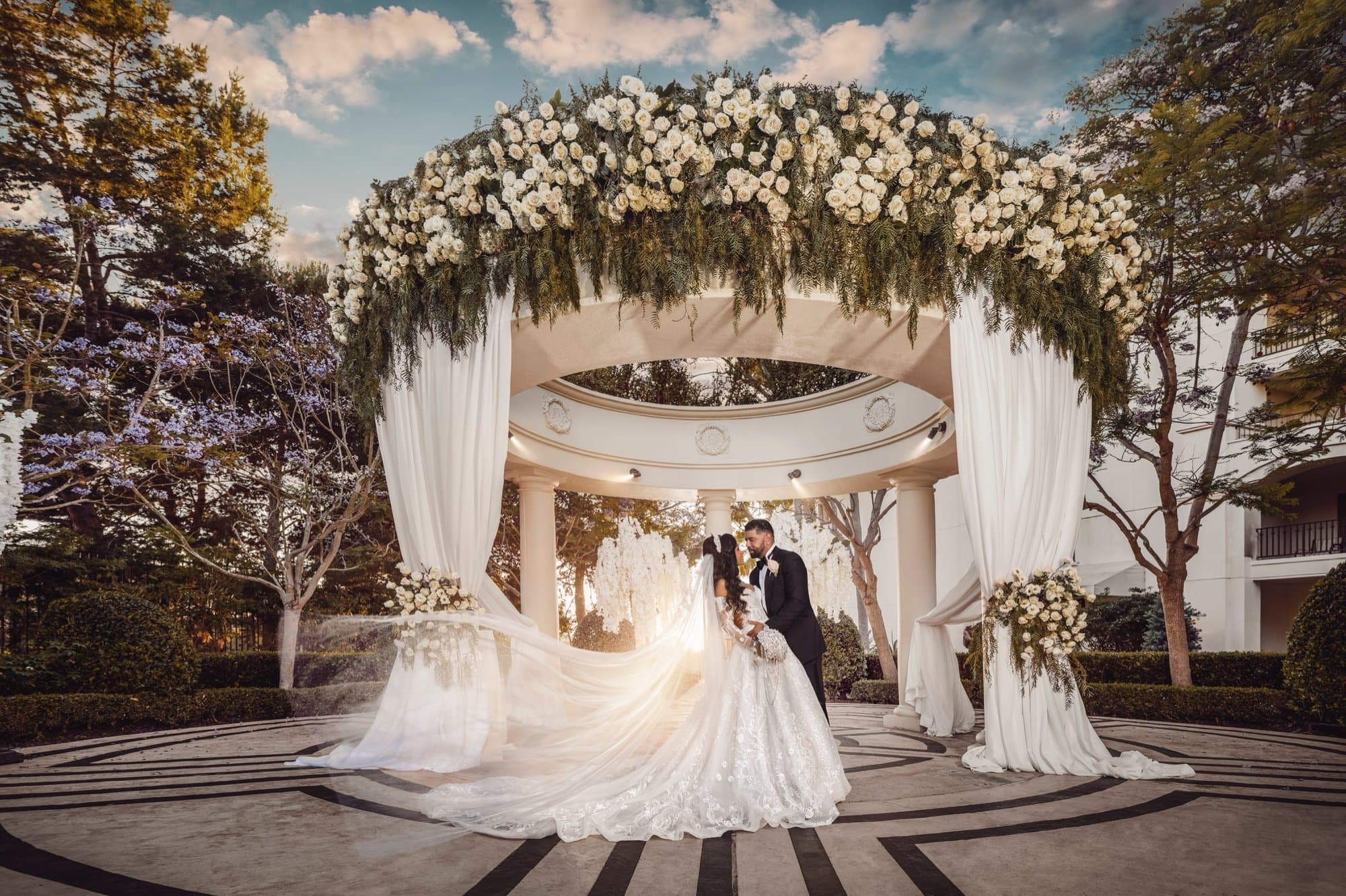
The fastest upgrade to your formals costs nothing: hold them somewhere with real architecture. A cathedral doorway, a grand staircase, a colonnade, a paneled ballroom. Venues like Vibiana in Downtown Los Angeles or Sherwood Country Club give formals a built-in stage, and we scout every venue for exactly these backdrops before the day.
If your venue is simpler, we bring the stage with us, off-camera lighting, longer lenses, and tighter compositions that turn a hedge or a plain wall into a clean, gallery-worthy backdrop. What you should not do is skip formals because the location feels ordinary. The location is our problem to solve. The people in the frame are irreplaceable.
The Short Version
Name every family grouping two weeks out. Appoint a wrangler. Photograph grandparents first. Budget two to three minutes per grouping and protect at least twenty minutes for portraits of just the two of you. Choose backgrounds with architecture or let your photographer build the light. That is the whole secret to formal wedding photos that end up framed instead of forgotten.
If you want a timeline built around your family's actual list, see how the investment works, or start a conversation. We will bring the shot list.