Why We Photograph and Film Weddings (and Why It Matters on the Timeline)
Two vendors, one fifteen-minute window of light. Here is why we keep photography and film under one roof, and how running both changes the wedding-day timeline for the better.

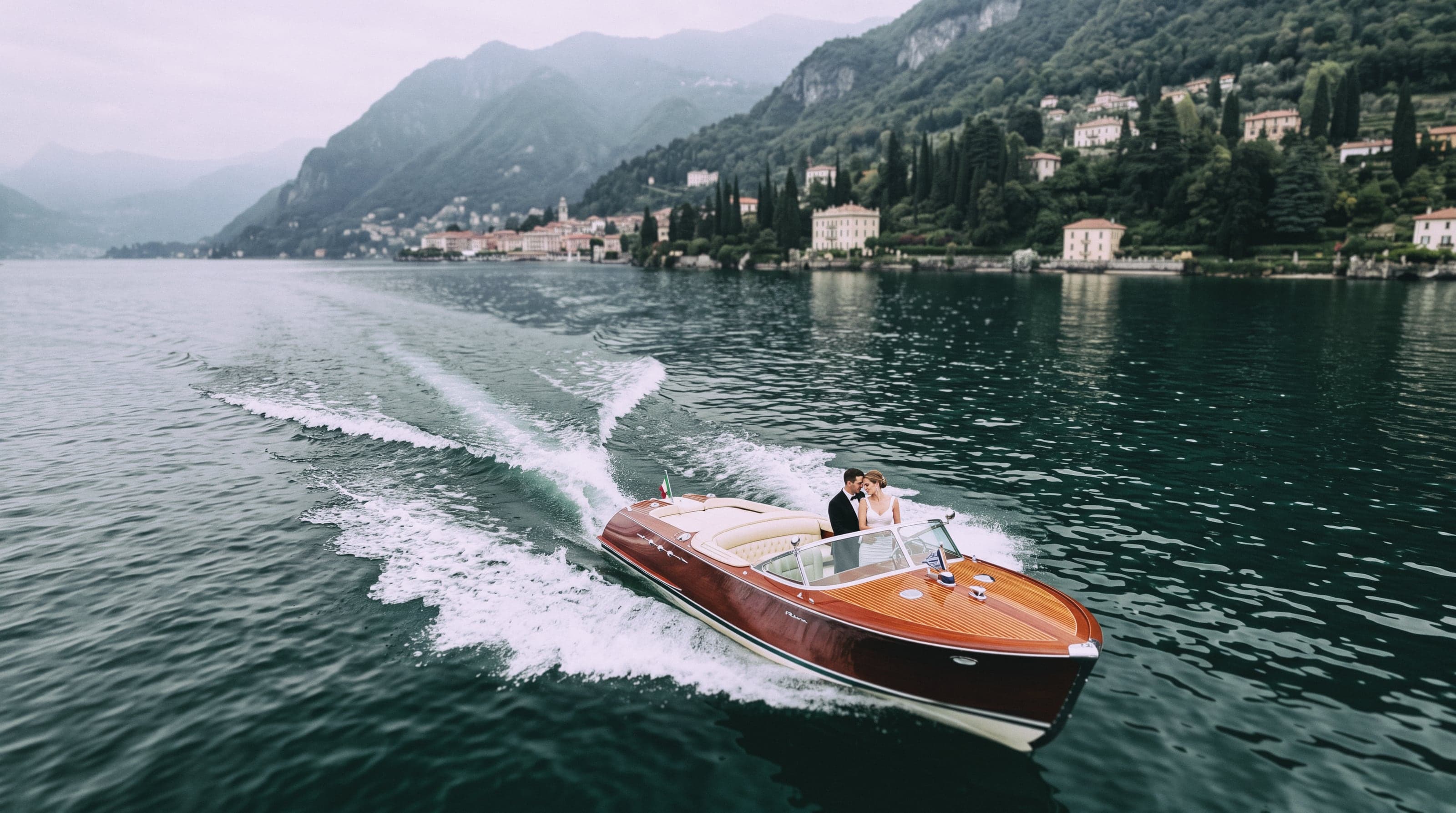
There is a moment at almost every wedding that decides how the whole day feels in hindsight. It is fifteen minutes long, it happens somewhere near sunset, and it is the only window when the light, the couple, and the schedule are all cooperating at once. When one team owns that window, it is the best part of the day. When two teams that met an hour ago are both trying to run it, it becomes a negotiation, and the couple stands there while two vendors quietly disagree about where to stand.
We kept photography and film in the same studio for exactly that reason. Not because bundling is convenient on an invoice, though it is, but because the two crafts share one resource that cannot be manufactured or bought back later: time on the wedding day.
Below is what actually changes when the same studio does both.
What Two Separate Vendors Really Costs
The cost is rarely money. It is duplication. Both teams want the first look. Both want the couple alone at golden hour. Both want a clean angle on the vows, the ring, the exit. If they are not planning together months in advance, they solve it in real time by asking you for more time, and the only place that time exists is your cocktail hour or your dinner.
We also see the aesthetic version of the problem, which is subtler and harder to fix afterward. A film crew adds light where they need continuity. A photographer shapes light for a single frame. Those two goals can be made compatible easily, or they can fight each other all night, and you find out which when the gallery and the film arrive and do not look like they were made at the same wedding.
One roof solves both. Same light plan, same pre-production call, same timeline document, same taste. You can see the film side of our work on our films page, and it is worth watching a full piece rather than a highlight teaser, because pacing is the thing you are actually hiring.
Two Media, Two Completely Different Jobs
It is tempting to think of a wedding film as photographs that move. It is not. Film's superpower is sound. Your father's voice cracking mid toast, your grandmother laughing at something off camera, the exact way your partner said your name during the vows. No still frame carries that, and no still frame ever will.
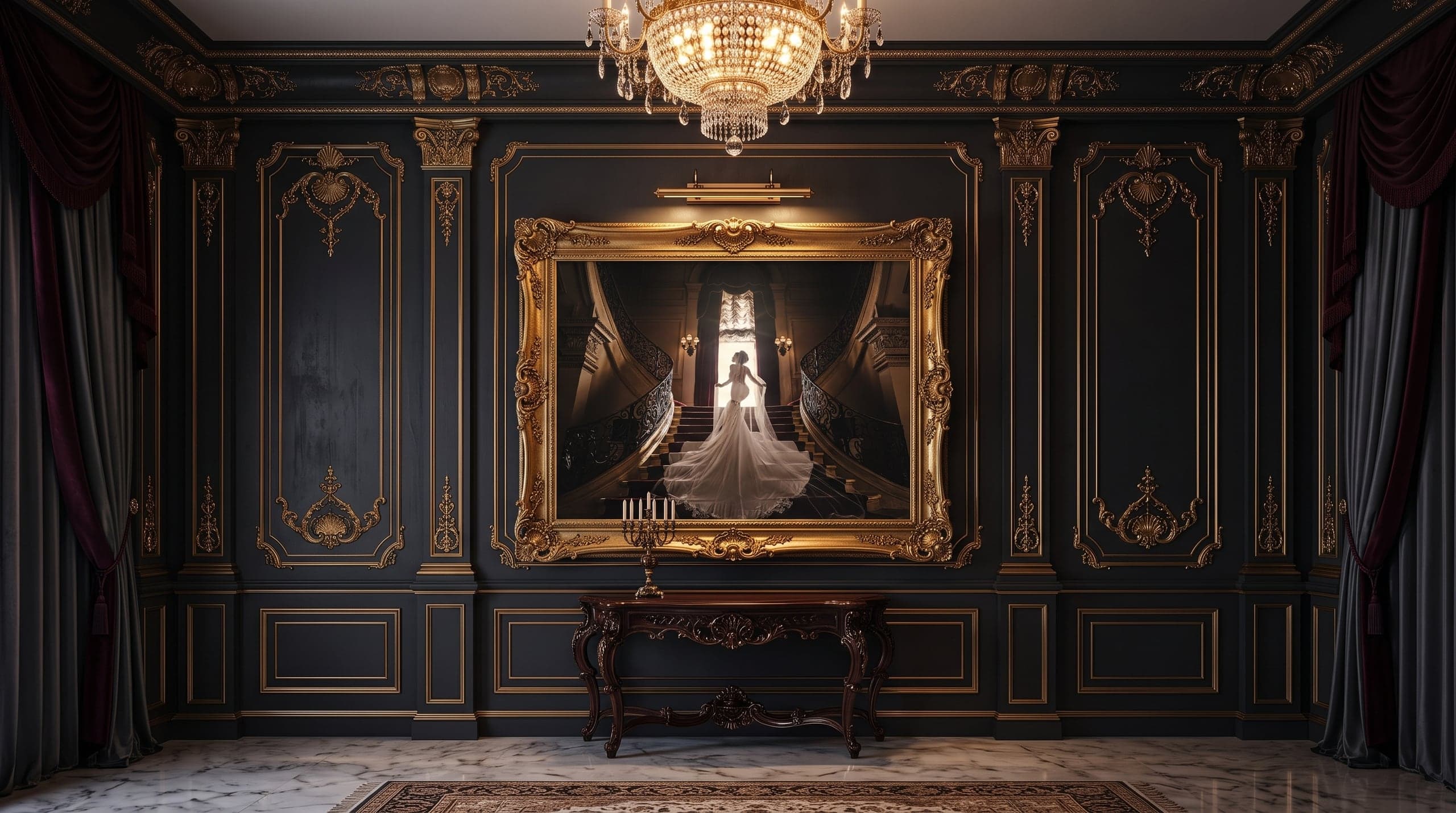
Photography's superpower is the opposite: it isolates a hundredth of a second and makes it permanent, printable, and hangable. A frame you can hold at arm's length forever, then put in an album or on a wall. Film lives on a screen and gets watched on anniversaries. Photographs live in the house and get seen every day.
Couples who choose one and skip the other usually regret it in a predictable direction. Skip the film and you lose the voices. Skip the photographs and you lose the objects. We would rather you have both, planned as one project, than two half-plans stitched together in September.
Film keeps the voices. Photographs keep the day on the wall. They are not competing products, they are two halves of the same record.
How Running Both Changes the Timeline
This is the part that matters most, because the timeline is where the money you spend on coverage either turns into images or evaporates. We build the schedule backward from local sunset, the method we lay out in building the wedding-day timeline around light, and then we layer film requirements into that same document rather than bolting them on.
A few concrete differences when one studio holds both.
What changes on a one-team schedule
- Getting-ready gets one extra ten-minute block, because film needs room-tone and detail sequences that photography does not
- Prep rooms are chosen for windows once, not twice, and the film team lights to match rather than lighting against us
- The first look is scheduled as a single event with fixed positions, so nobody backs into anybody's frame (our take on that choice is in first look or aisle reveal)
- Family formals run off one list and one pace, so the film unit is releasing people while we are still shooting
- Golden hour belongs to one plan. We shoot stills, then hand the couple to motion, in the same location, without walking anywhere
- Toasts get audio captured properly (lavs and a board feed where possible) instead of a shotgun mic hoping for the best
- Reception lighting is placed once, at load-in, and serves both cameras all night
Why It Matters More in Some Rooms Than Others
Venue architecture decides how much slack a timeline has. Large-format properties with long walks between spaces eat time in transit, which is the first thing that gets cut when two crews need the same twenty minutes. A convention-scale resort like the Gaylord Texan can put your ceremony, your portraits, and your ballroom several hundred yards apart under one roof, and that distance has to be budgeted honestly.
North Texas estates and chapels have the opposite profile: compact footprints, gorgeous but limited exterior light, and a hard sunset line behind treelines or buildings. If you are still narrowing the list, our roundup of Dallas and Fort Worth wedding venues is a useful map of how differently these rooms behave, and we build the two-team plan against whichever one you choose.
Ballrooms deserve a specific note. Dark, tall, chandelier-lit rooms are where separate photo and film vendors collide most often, because both need supplemental light and there is only one place to put it. Deciding that at load-in, together, is a five-minute conversation. Deciding it at 8pm during the first dance is not a conversation at all.
How We Quote It, and What to Ask Anyone Else
We publish coverage and collections plainly on our wedding pricing page, and film is quoted as part of the same conversation rather than as an upsell after the fact. Practically, that means one contract, one point of contact, one pre-production call six weeks out, and one team arriving on the day that has worked together before.
If you are comparing us against a photographer plus a separate film company, and plenty of excellent ones exist, ask both of them three questions. Who writes the master timeline? Who owns golden hour? Who places the reception lighting? If the answers do not match, you have found the thing that will cost you time on your own wedding day.
Our galleries live on the wedding portfolio, the films live on /films, and the honest way to evaluate us is to look at one wedding both ways and see whether they feel like the same day. If the date is circled, tell us where and when and we will show you what the plan looks like hour by hour.