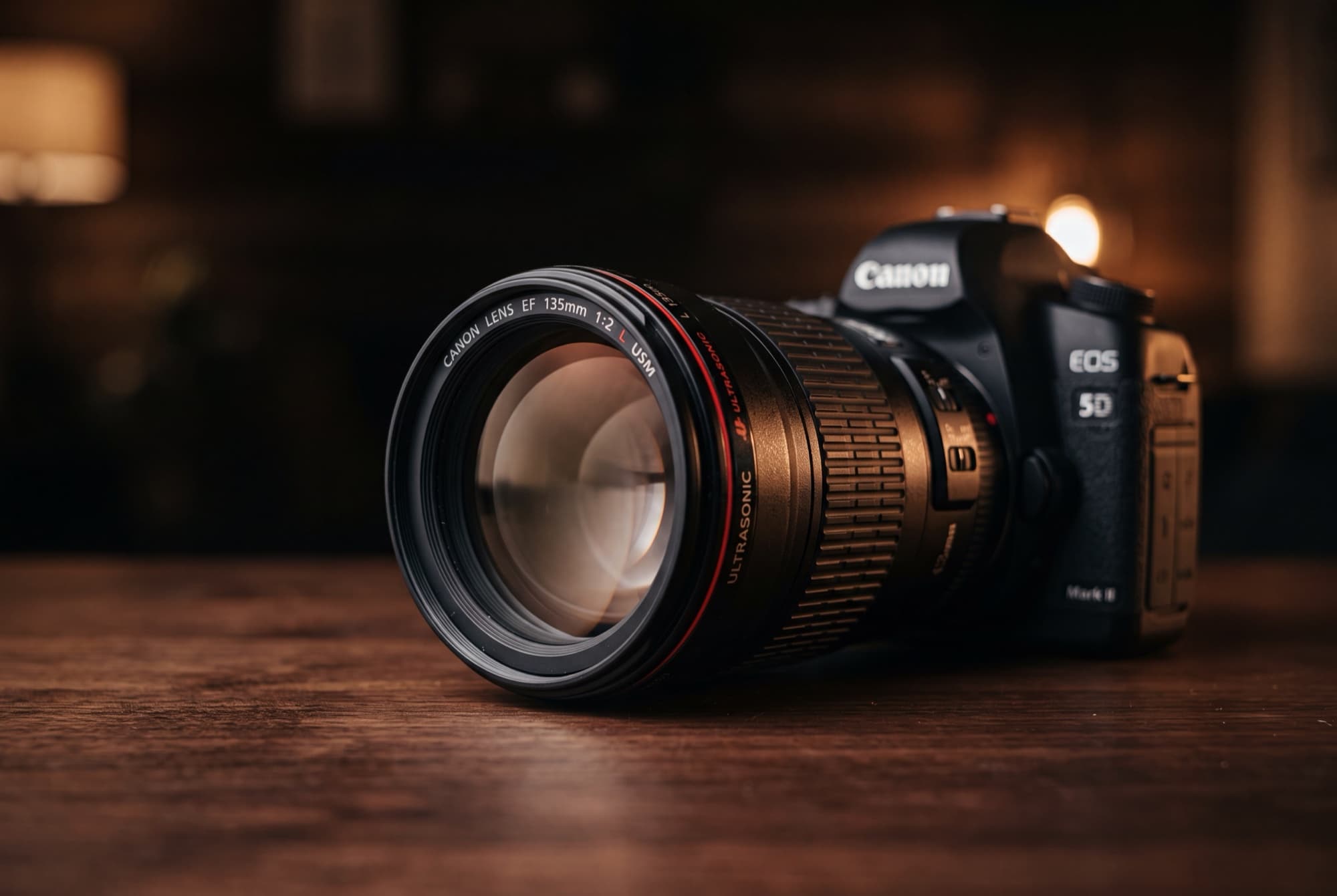
Why I Switched From Sony Back to Canon (and What It Taught Me About Gear)
I sold my Canon gear, went all-in on Sony, and a full wedding season later I came back to Canon. Here is the honest, unglamorous why, and the business lesson underneath it.
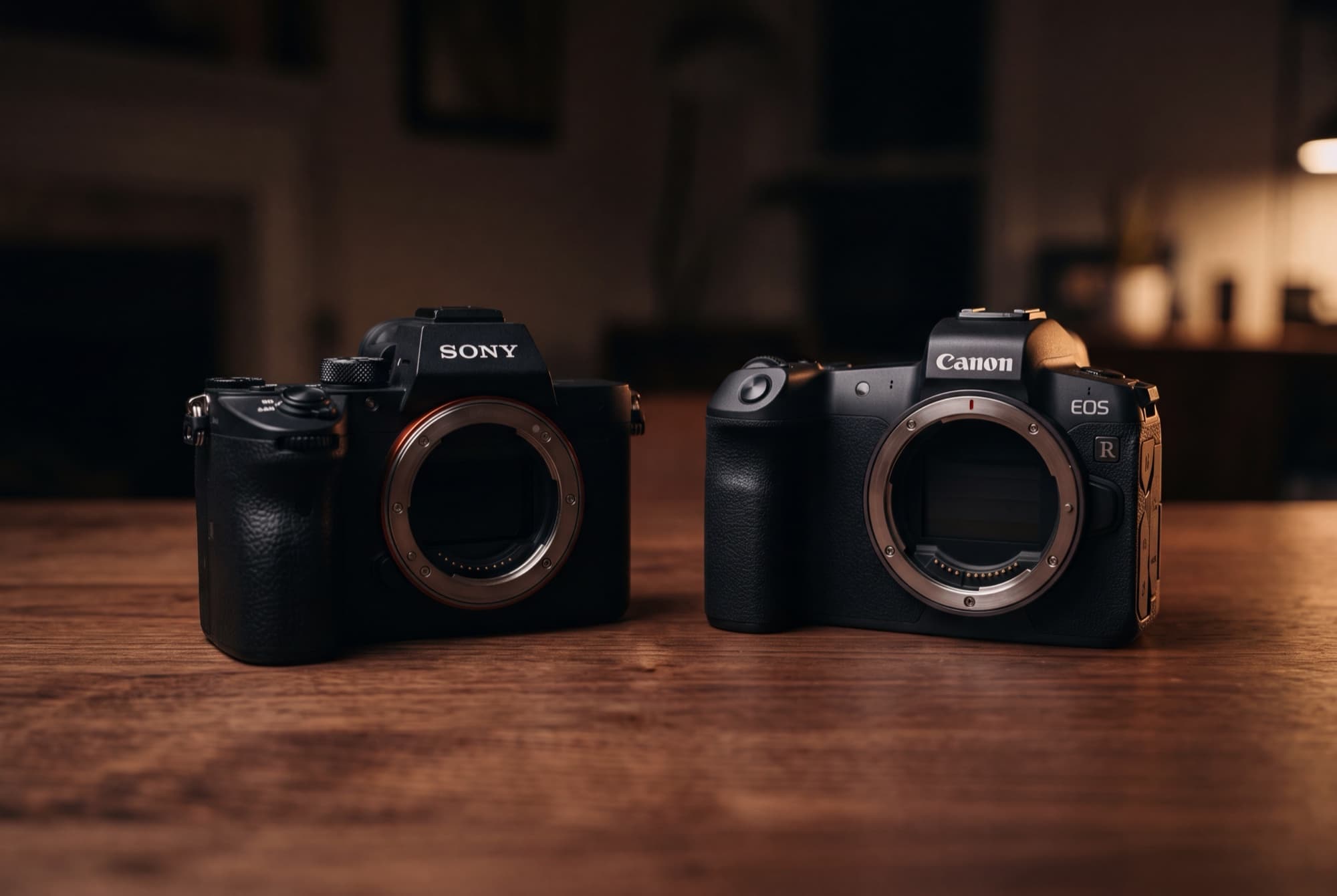
Some photographers look to me for advice on gear as a speaker and educator, so it came as a shock to a lot of our photographer friends, students, and fans when I announced we were switching to Sony in October of 2017. I had just gotten my hands on the Sony A9, and I genuinely appreciated the technology Sony was pushing into mirrorless. In a world that was catching fire with the orange Sony flames, it felt like a logical move: the autofocus made moving subjects easier, the low-light performance was supposed to be incredible, dynamic range was going up, and the review sites even scored Sony higher on color depth. So what could go wrong? We sold our Canon gear and made the jump.
I won't pretend those specs were wrong. Sony really has pushed the whole industry forward and forced a long-overdue response out of Canon and Nikon, and that is good for all of us. But after shooting a full season on Sony, there were things I missed about my Canon system, and by 2018 we had come full circle back to team red. After a pile of emails, some of them angry, I felt I owed everyone an honest explanation. To be clear, this article is not here to sway you to one brand. There are plenty of why-I-switched-to-Sony videos for that. This is the other side of the argument, for balance.
Color
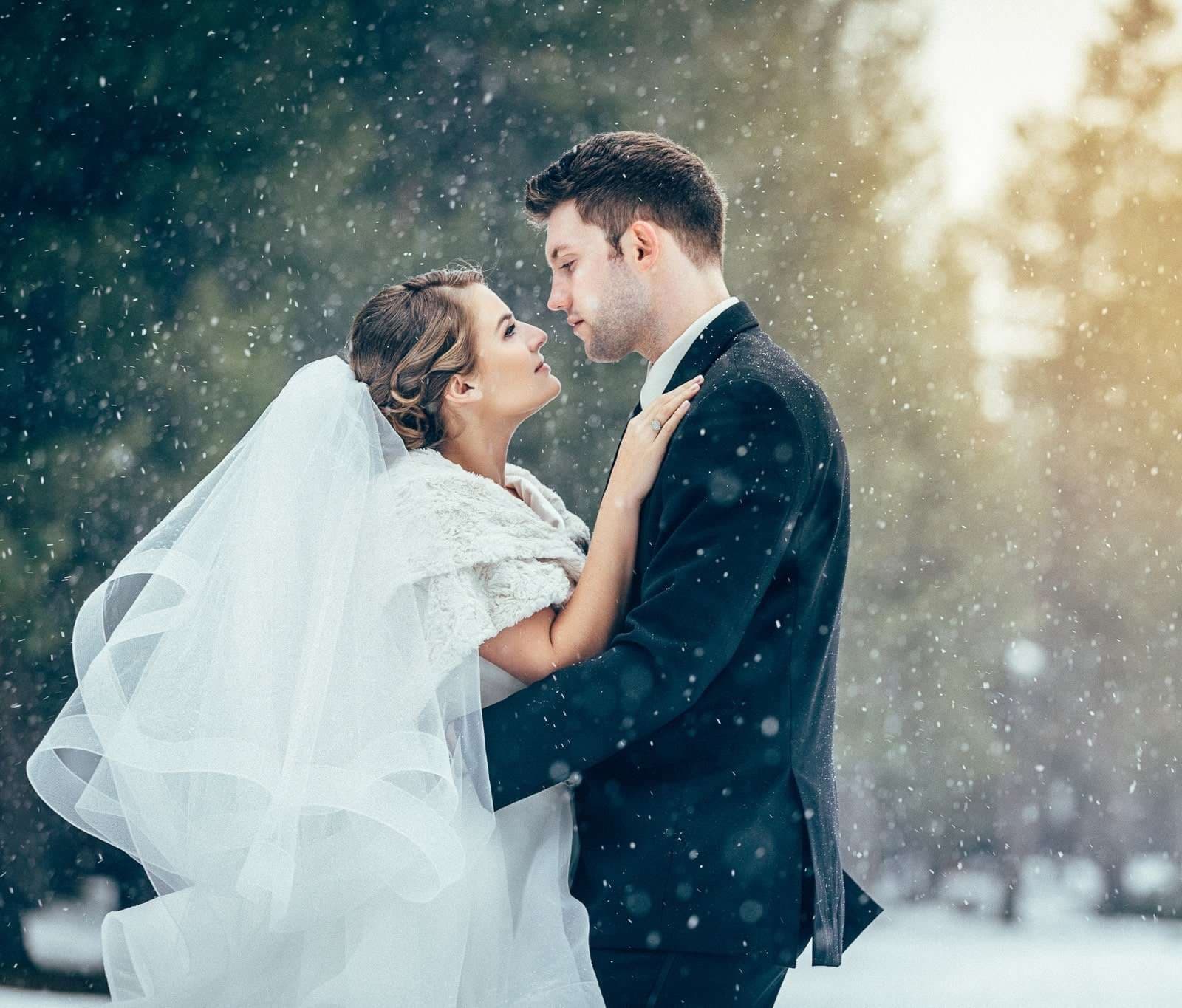
The review sites put Sony's color depth above every Canon body, and that may be true on paper. But there are things a spec sheet cannot measure. It is a little like arguing Apple versus Windows: the look each system renders is just different. For our work, day-to-day documentary frames look better to me out of Canon, while some of the big, epic, cinematic frames had an edge on Sony. Color science is real, and I am not going to be the one to tell you one is objectively better. I can only tell you that Canon's color harmony is the aesthetic I love.
It took comparing our old work against our Sony work to really see it. Skin tones are the obvious one, and it is widely accepted that Canon renders skin beautifully. I found that to be true, and I also found that Sony left our images with a green and orange hue that was not easy to correct, even when I tried hard to match the Canon look. And before you say it does not matter because I shoot RAW: sure, with Capture One and enough time you can nudge each file close. But that is not a practical wedding workflow. As you push white balance and tint, the color profile shifts and image-to-image matching becomes nearly impossible. Color is one of the things that defines our brand, and I was missing it.
Ergonomics
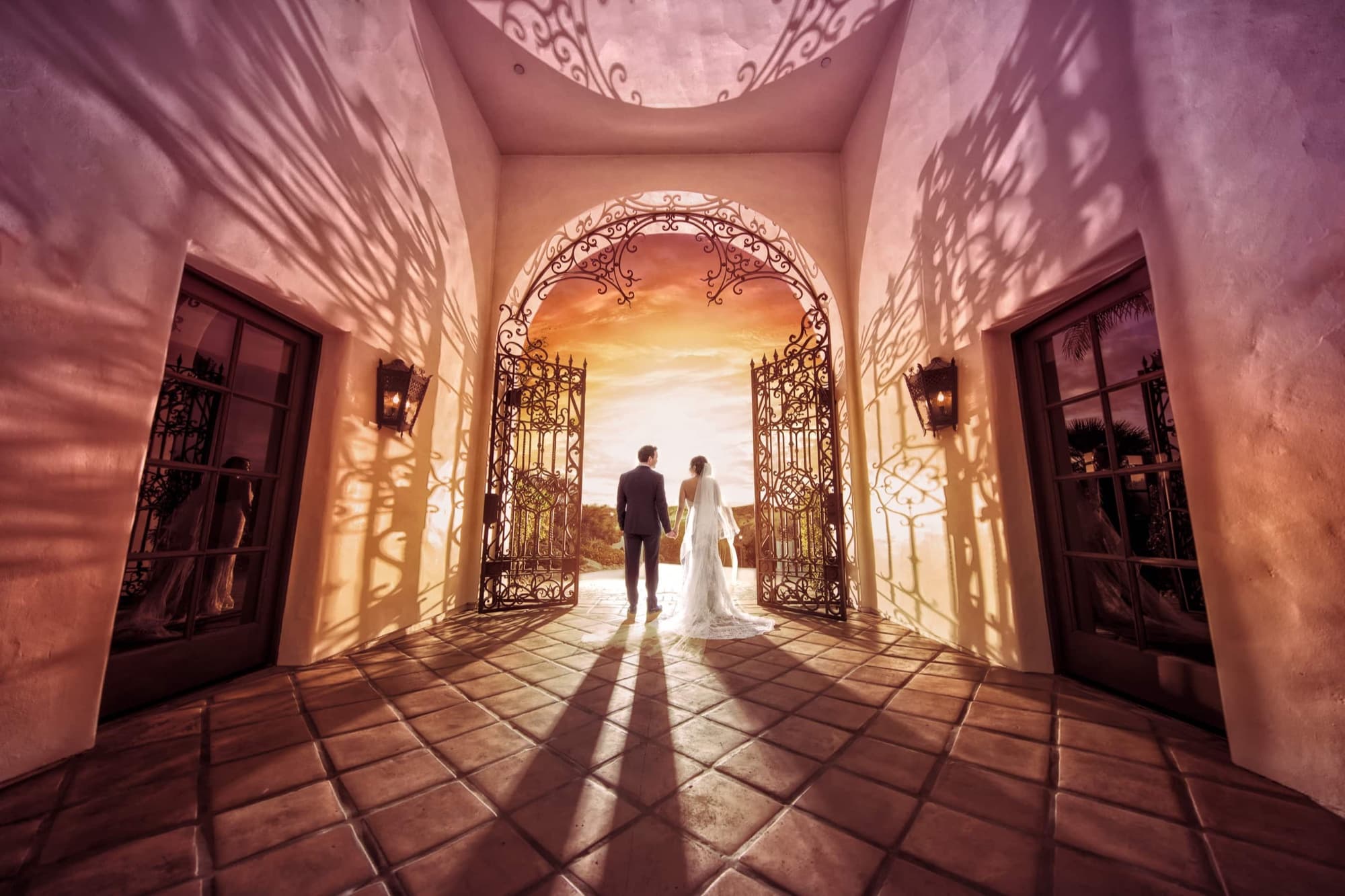
When I first picked up the Sony system, I loved that the bodies were small, it seemed perfect for travel. The problem is that the lenses were significantly bigger. I might carry two bodies to a shoot, but the extra length of eight or nine lenses erased any size advantage the bodies gave me. And I will say this as plainly as I can: Sony's grip is rough for anyone with medium to large hands. Adding the vertical grip helped, but the camera never felt at home in my hand.
I really do appreciate the larger grip on the Canon bodies. After a few weeks relearning the system, muscle memory kicked back in and the button placement let me get to my shot just as fast as I could with Sony's more advanced autofocus.
Service
I am an active photographer shooting hundreds of clients a year, so at some point my cameras will need service, everything from a standard clean-and-check to a real repair. After buying into Sony I signed up for their Pro Support. The few times I needed it, the major repairs did get handled, but it took nearly two weeks to get a body back. That is a long time to be down a camera. Canon's CPS, on the other hand, never disappointed and always turned our gear around quickly.
Service never shows up on a spec sheet, but for a working professional it is enormous. Knowing that if a body goes down you can get it fixed fast is its own kind of feature.
Innovation
Wait, how can I argue Sony is not innovative? I am not. Sony has driven this industry forward at an alarming rate. But let me explain why Canon's quieter innovation in their mirrorless system mattered to me. When Canon released the EOS R, it got fairly meager reviews. It has shortcomings, the lack of dual card slots made it a tough sell for wedding work, but for what it is, I think it was the best portrait camera Canon had on the market at the time. Skeptical, I got my hands on one, and within days I could see what Canon was actually focused on. The R had lightning-fast autofocus, an easy menu, a better screen and EVF than Sony's best, and excellent, affordable adapters for the EF lenses I already loved, which to my eye rendered better color and sharpness than the Sony glass.
But the real innovation was the new RF mount. Canon took its time because the larger mount lets them design optics we had never seen, pushing the rear element closer to the sensor for better balance and enabling huge apertures on lenses that never had them, like that 28-70mm f/2. It also opens the door to edge-to-edge sharpness, wider autofocus coverage, and far less chromatic aberration. In other words, Canon built for the future, and I had no interest in switching platforms again for the rest of my career. I wanted the system designed with the long game in mind.
Industry Dedication
I have been going to photography conferences since 2012, and there is a constant at every one: Canon's presence is impossible to ignore. They show up at Imaging USA, WPPI, PhotoPlus, and Shutterfest with their Explorers of Light, some of the most accomplished photographers in the industry, giving away free education without selling product. I cannot stand a booth talk that turns into a sales pitch, and I refuse to give one myself. I am not talking about marketing dollars here, I am talking about the education Canon puts back into our community through those talks and their learning centers around the country. To me, that is dedication to the craft. It also tells me that while Canon may not be first to rush a new camera out the door, they listen to their photographers and build something with room to grow.
So Why Did I Switch to Sony in the First Place?
That is the real question, and the honest answer is that I bought into the marketing hype. Sony has been brilliant at influencer marketing across Instagram, YouTube, and every other platform, and I have nothing against that, every business should leverage advertising that well. But it was not until I stepped back and looked objectively that I realized the whole switch-to-Sony movement was built on pretenses that should not matter to us as businesspeople.
Here is the thing I most want you to take from this: your camera really does not matter in the grand scheme. What matters is your ability to create, and any modern camera will let you do that. Switching platforms is expensive and, in a lot of cases, just bad for your bottom line. Part of my whole education philosophy is being open about my mistakes, because our industry has too much ego and bragging and not nearly enough honesty. The only way to teach well is to share the failures alongside the wins. So the tribal loyalty we build around a camera or lighting brand is not healthy, because our clients are buying the images, not the label on the box. Stick with your platform, pour your energy into your craft and your business, and if you are seriously thinking about switching, weigh what it will really cost you first.
Where I Landed
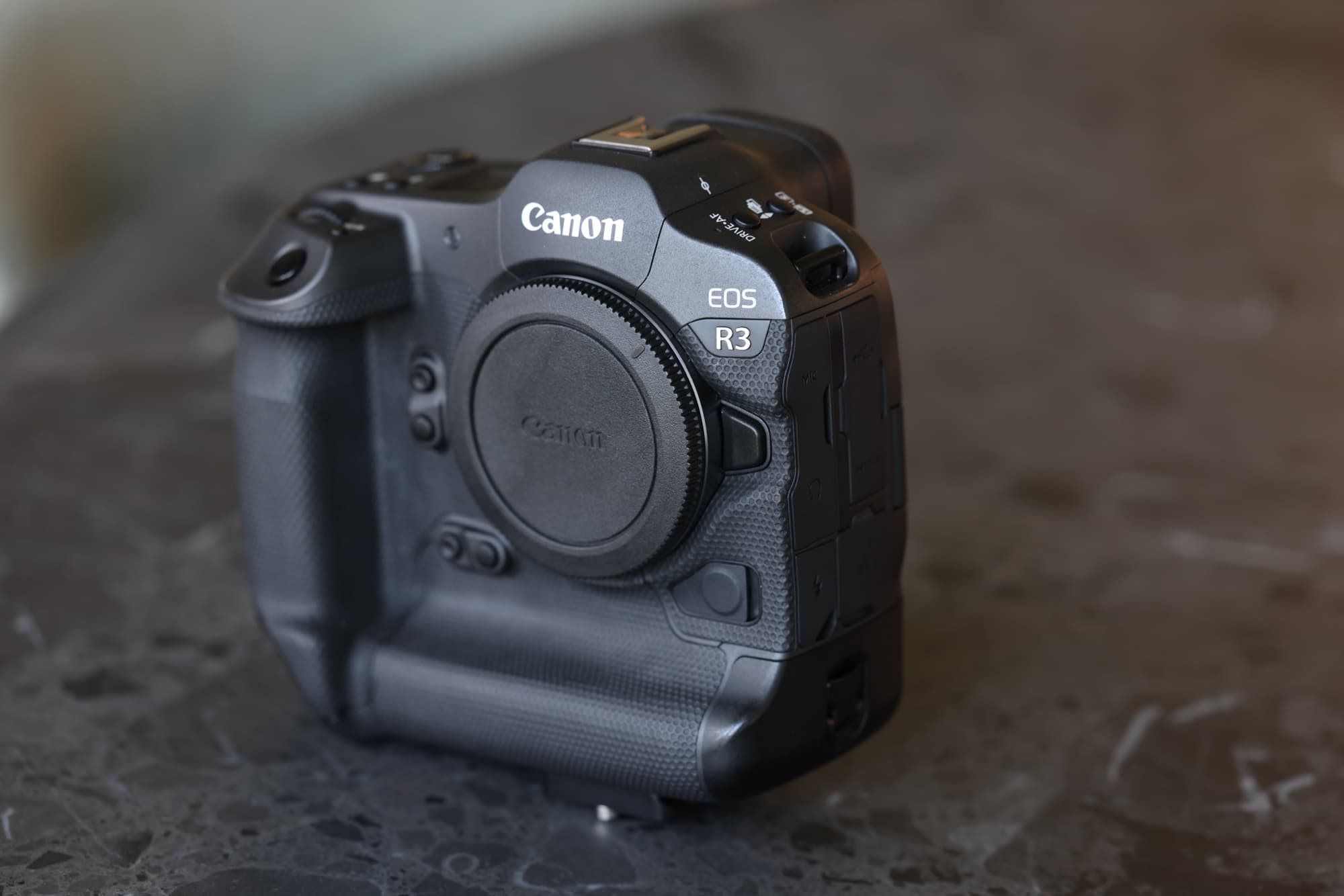
Years on, that bet on Canon's future looks like the right one. I never switched platforms again. I moved from the EOS R up through Canon's pro mirrorless line and now shoot the Canon EOS R3, with the RF glass the big mount made possible. The gear got better every year, exactly as I hoped, and the business lesson underneath all of it has not aged a day: chase mastery and margins, not badges.
If you want to see where the RF system went, read my review of the Canon 85mm f/1.2L, the lens I shoot today.