Canon 135mm f/2L Review: The King of the Red Rings for Wedding Photographers
The most inexpensive L lens I own, and quite possibly the best optically. A working wedding photographer's long-term review of the Canon EF 135mm f/2L.
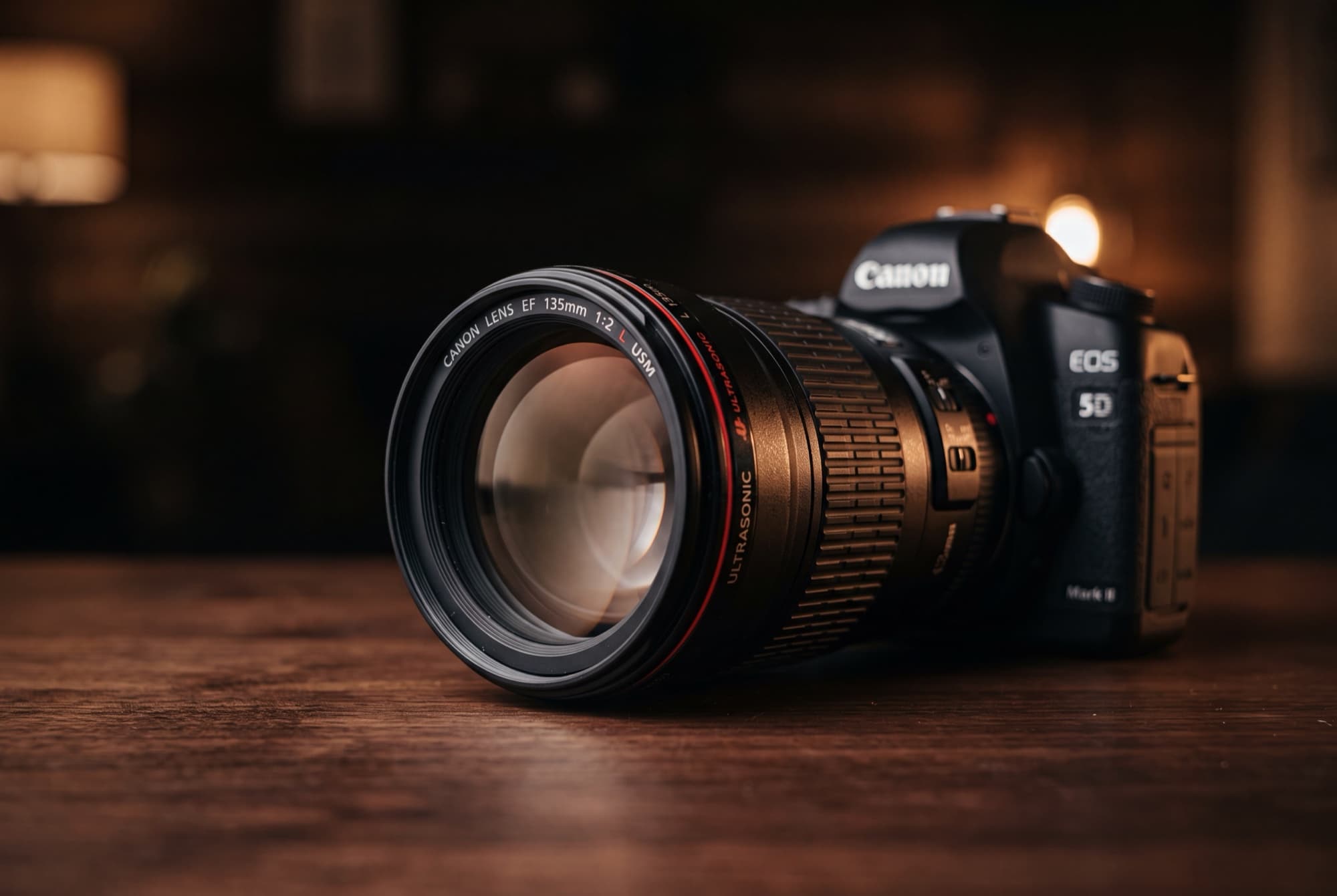
This one is a review of the King of the Red Rings: the Canon EF 135mm f/2L, seen through the eyes of a working wedding photographer. It was the very first entry in a column I used to run called Photographer Friday, written back when a growing number of other photographers started reaching out with questions. I have always believed we are a community that only gets better by helping one another, so I am bringing it back for the hub.
Here is the short version before we get into it: this is the least expensive L lens I have ever owned, and in my opinion it has the best pure optical quality of any of them. For a full-frame photographer who does a lot of portrait work, it is close to a no-brainer.
How I Found It
When Jen and I were starting out, we shot zoom lenses. Then I saw a handful of images from another photographer with metadata showing a Canon 5D Mark II and the 135mm prime, and they were so crisp, sharp, and colorful, with the most fantastic bokeh, that I had to know more. I ended up falling in love, sold my 70-200mm f/2.8 (the non-IS version), and scooped this one up from B&H.
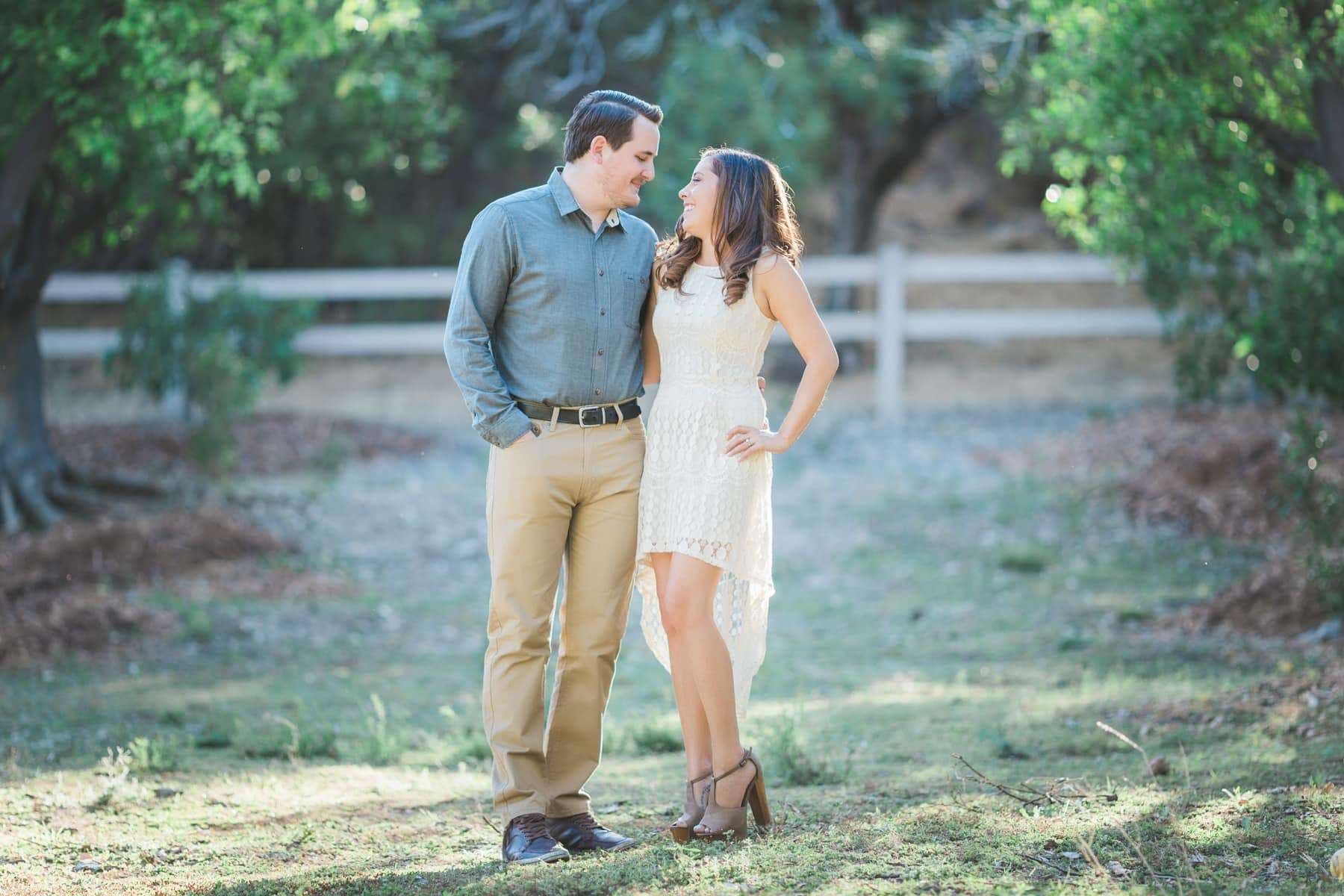
As I always do with a new lens, I set up a test shoot with my almost-wife Jen at Towsley Canyon in Santa Clarita, on the way to a date, right after sunset. I looked at the back of the camera and I was floored by the image quality. It became a staple of my style almost instantly. Right up until I bought the Canon 85mm f/1.2L, a full ninety percent of our portrait work was done on this lens.
Prime vs. Zoom for Weddings
No one can argue that a Canon L prime takes beautiful portraits. The harder question is whether the image quality outweighs the practicality of a zoom. Let's be honest: for weddings and events, the Canon 70-200mm f/2.8 IS II is the de facto lens, and at least half of photographers a year into the business own one. It genuinely has prime-level image quality and a versatility nothing else matches. I have never owned it, but I rent it every chance I get to convince myself I need it. So far it has stayed a strong want, not a need.
The last wedding I brought a rented 70-200 to, I used it heavily during the ceremony. But when formals came around, I kept looking at the back of my camera feeling like I was missing something. The moment I switched to the 135, the colors came out better, the contrast improved, and, well, f/2. Much like my 35mm, it simply owns its focal length better than the zoom equivalent does.
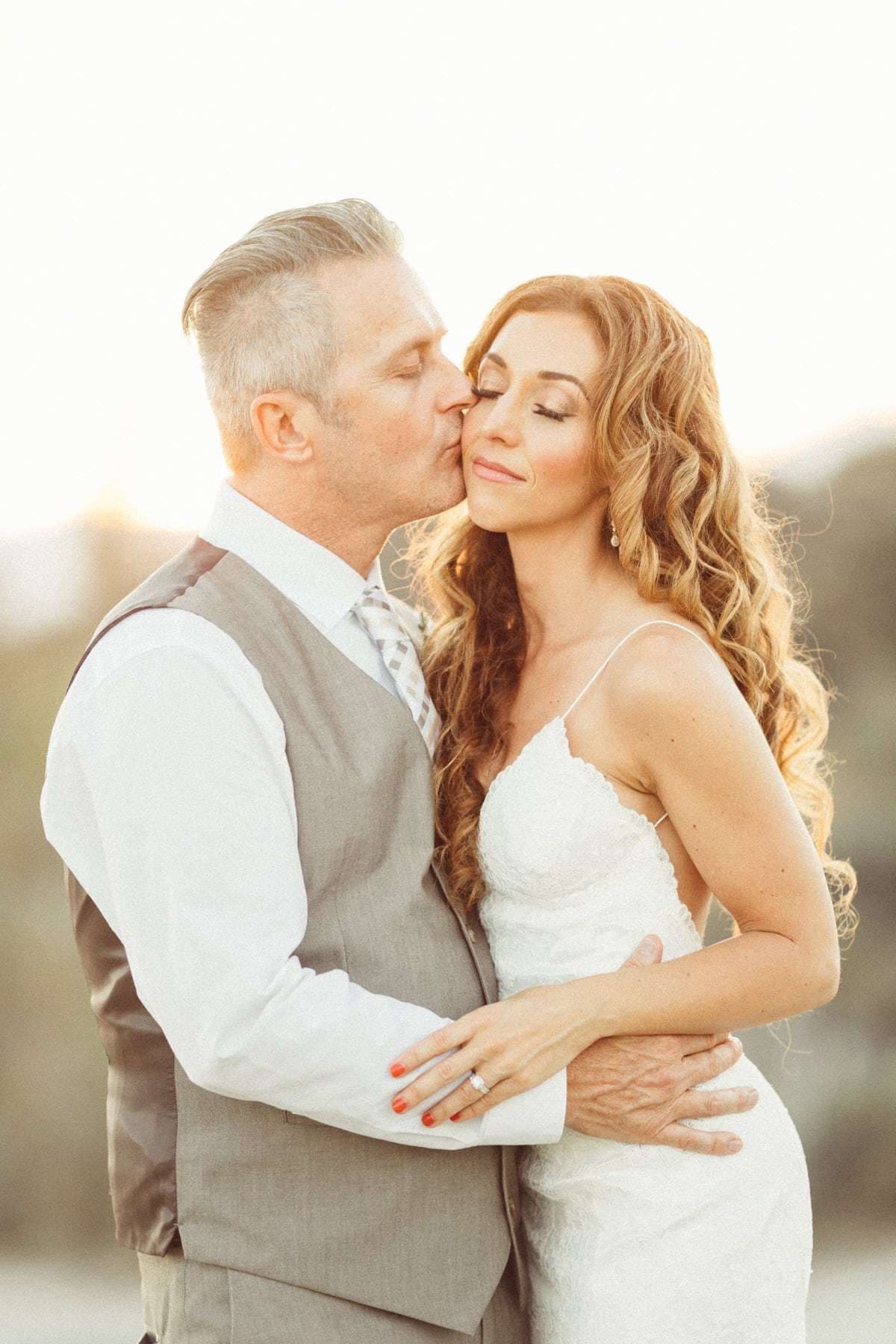
That f/2 Look
The real reason to reach for this lens is the ability to shoot at f/2. In practice, at a wedding, I rarely shoot it wide open except during formals, because the depth of field at f/2 is so shallow that a subject moving even slightly can drift out of focus. But when you can use it, at f/2 the 135 gives you a look that cannot be replicated by any other lens I have used.
Autofocus and Sharpness
The autofocus on this lens is better than any other lens I have owned. Even on the 5D Mark II, which was never an autofocus champion, I can track moving subjects and lock focus quickly and accurately in low light. That is one area where, in my opinion, it actually bests the 85L.
Most people overrate sharpness in isolation. I think there are six parts to judging a piece of glass, each important on its own: build quality including flare control, color rendition, contrast, bokeh rendition, autofocus, and, yes, sharpness. This lens excels at all of them, but sharpness is its strong suit. In natural light above 1/200 of a second I can always resolve the eyelashes on my subject. Some photographers argue it is too sharp for portraiture, because it shows skin texture more honestly than a softer lens would.
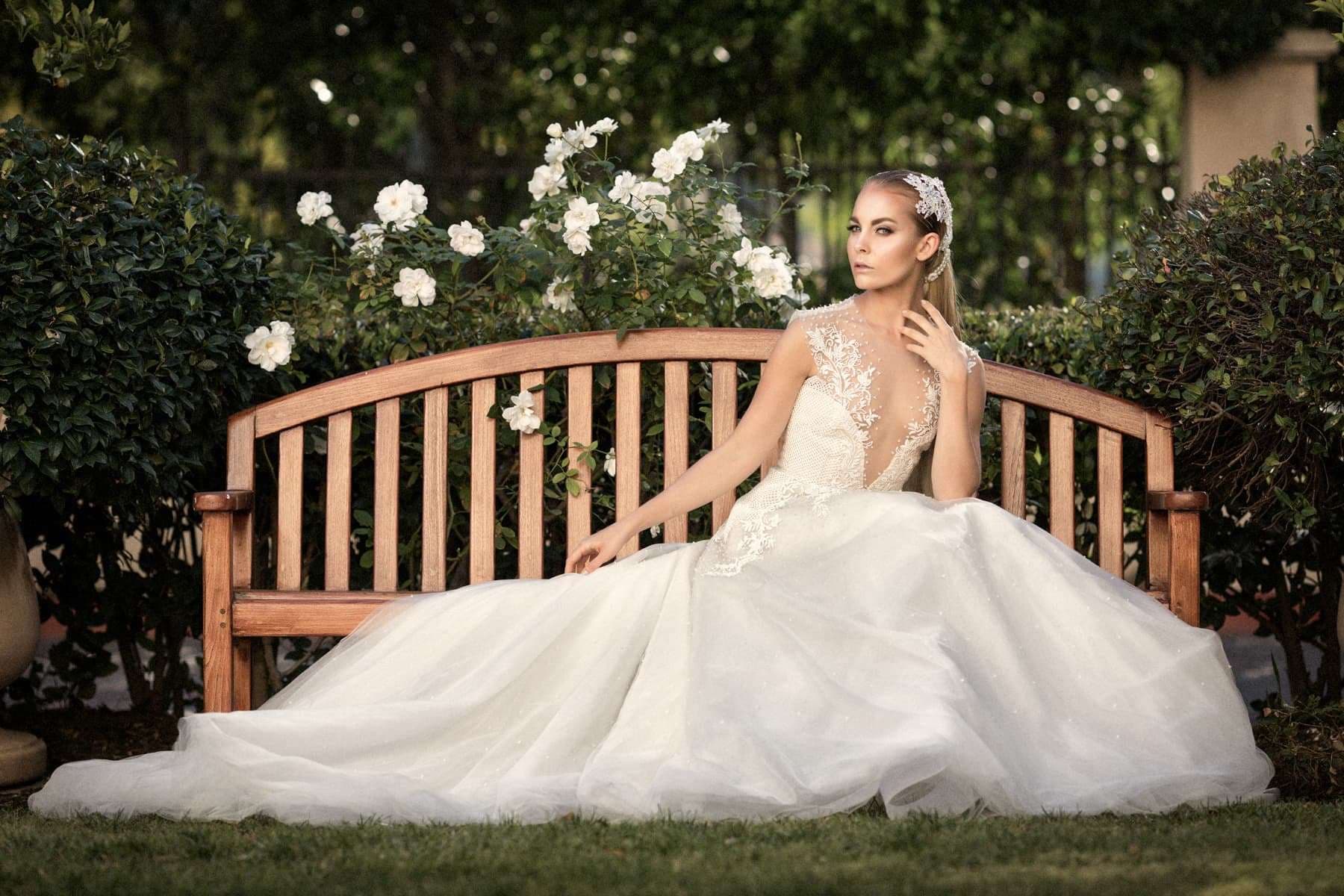
The Best Value in the L Lineup
Canon makes a lot of great lenses, and most of their best ones are expensive enough that price becomes a real business decision. This is the exception. You can pick the 135 f/2L up for around a thousand dollars, which for a full-frame photographer doing a lot of portrait work makes it almost a no-brainer. It is the least expensive L lens we own, and, in my honest opinion, the best optically.
But Is It for You?
That depends on you. The first thing I would consider is your sensor size. One hundred thirty-five millimeters can be too long on a crop sensor, where the 1.6x factor turns it into a 216mm equivalent field of view. We shoot full-frame mainly, and our crop body rarely sees the 135 unless I specifically want that reach.
The bigger question is prime versus zoom, and wedding photographers need versatility. Shooting all primes forces me to interact with my subject and my surroundings, to move my feet and find new angles instead of standing still and zooming. There are always moments where a zoom is more efficient: in a portrait session a 70-200 lets you go tight, medium, and wide instantly, and at a wedding you can capture several looks of a single critical moment (we always have a second shooter covering those too). If you are just starting out and shoot a crop sensor exclusively, a 70-200 is probably the more useful lens. The 135, like most primes, is a specialty tool that rewards confidence. At minimum, rent one before you buy.
The 135 in 2026
Years later, the EF 135mm f/2L is still a beloved classic, and one of the genuine bargains in used glass. If you shoot Canon RF mirrorless, the spiritual successor is the RF 135mm f/1.8L IS USM, which adds image stabilization and modern autofocus to the same idea. But the thing that made me fall for the original has not changed: that 135mm compression and the way a fast telephoto prime separates a subject from the world behind them. It is still one of the most flattering focal lengths in all of portraiture.
If you want the other half of my old prime kit, read the companion piece on the Canon 85mm f/1.2L.