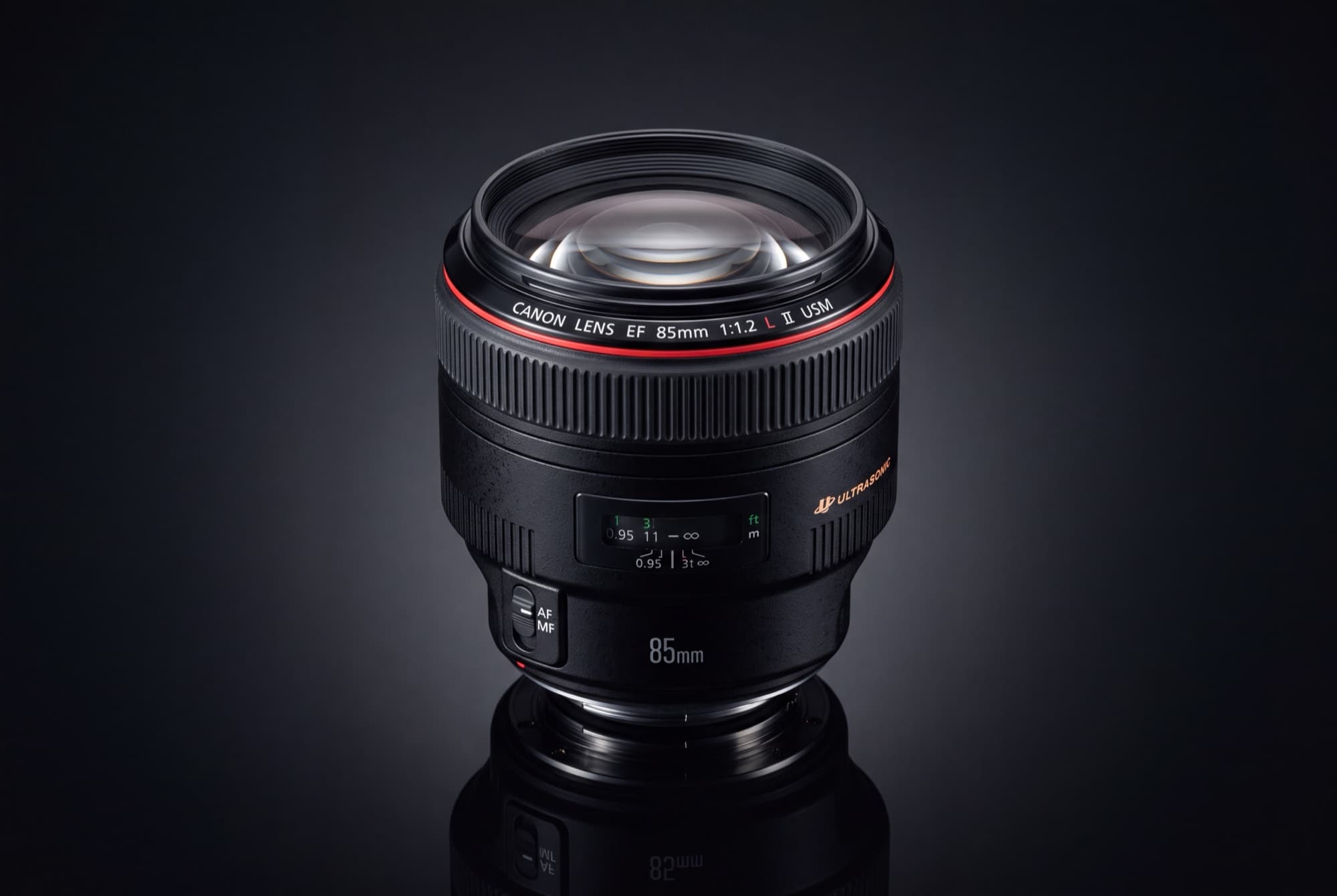
Canon EF 85mm f/1.2L Review: Is It Still Worth It for Wedding Photographers?
The lens photographers love and hate in equal measure. An honest, long-term review of the Canon EF 85mm f/1.2L for wedding work, and where it stands in 2026.
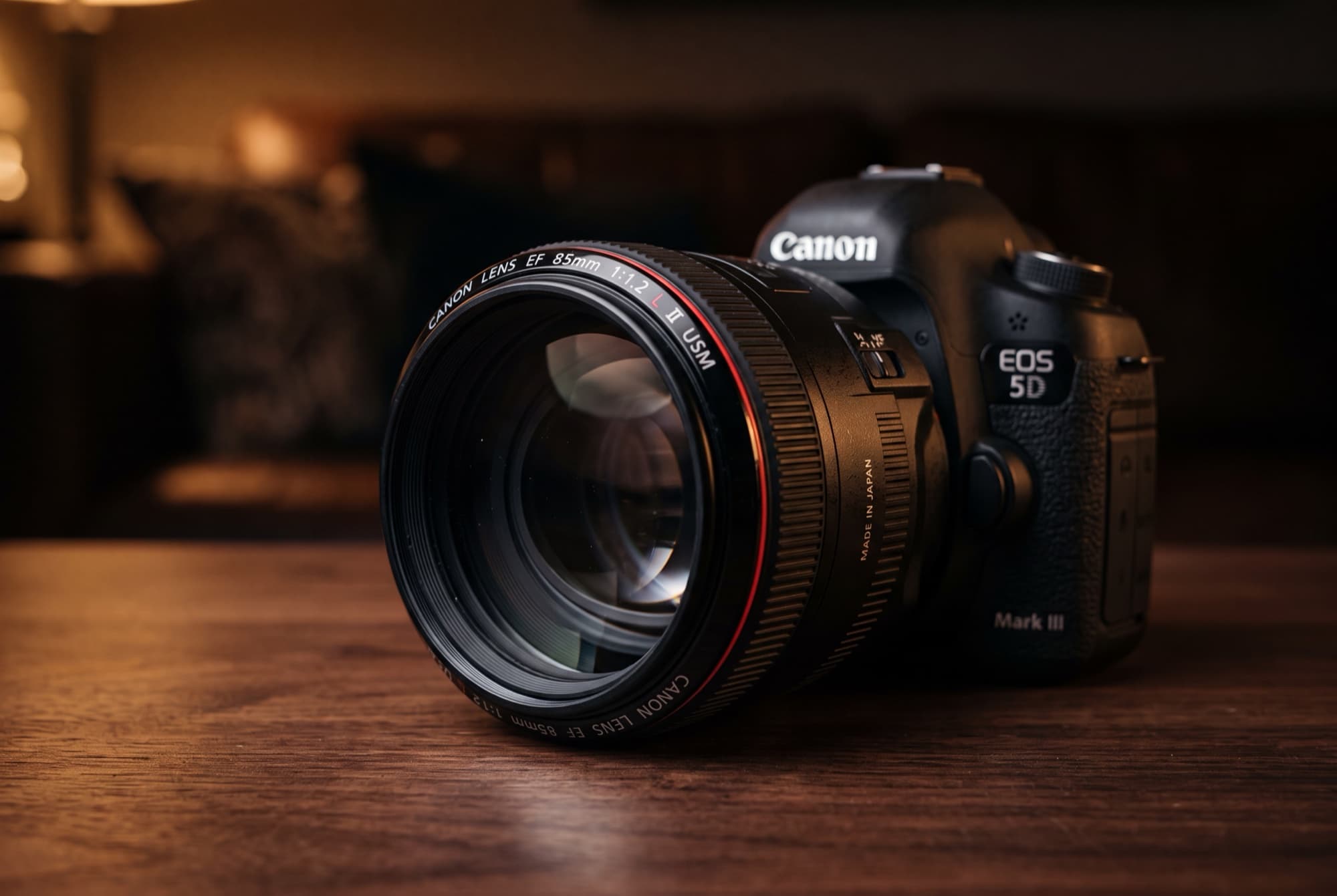
Some of you love it, and some of you hate it. If you are reading this, you are probably trying to decide whether the Canon EF 85mm f/1.2L belongs in your wedding bag, and whether the look is worth the headaches. So let me save you the scroll and give you the verdict up front: this lens has major drawbacks and major strengths, and when moments are critical it has earned every bit of its polarizing reputation. The good things you have heard about it are absolutely true. Here is what a few years behind it taught me.
This started as one of the most-read posts I ever wrote, back in the DSLR era. I have brought it back and updated it for 2026, because the questions have not changed, and the answers turn out to be more interesting now that I shoot the RF version of this lens and the 85 f/1.2 has found a whole second life on mirrorless.
Why I Bought It
I picked this lens up to complete our trinity of prime lenses. I love a shallow depth of field, and I love the color and sharpness you simply cannot pull out of most zooms. I was moving off the do-everything 24-70mm f/2.8, which was a great, versatile lens that never gave me the look I actually wanted in our wedding photos. One of our studio shooters, an accomplished wedding photographer with his own studio, had been shooting the 85 for a while and told me to just try it.
My first session with it, I got exactly what I was after optically: rich color, real sharpness, that separation. But I was shooting it between f/2.5 and f/3.5, playing it safe. This lens was clearly built for more, and like any curious photographer, I decided to push it to the wall.
The Focus Problem Nobody Warned Me About
I set up a shoot with Jen just to test the lens, and I started shooting wide open, between f/1.2 and f/1.8. And I quickly decided that I hated this lens. Or at least I thought I did. I could not get a sharp frame to save my life. I tried the outer focus points on my 5D Mark II. I tried focusing and recomposing. I met with other photographers and practically begged them to test the focus, to tell me whether it was me, my camera, or the lens.
Every so often I would nail one, and I would see the magic this thing was capable of. What I did not have was the consistency to get it right out of the gate. I was so frustrated I nearly sold it to buy the endlessly reliable 70-200mm f/2.8 IS II. Then I went back through my files, saw the frames that did land, and decided to keep practicing instead.
It Was Never the Lens. It Was Me.
It usually is. The 85 f/1.2L focuses slowly, and it demands proper technique to nail shots, especially at a wedding. On a 5D Mark II, which was never known for great autofocus, you have to work inside its limits: I only used the center focus point wide open, and when I recomposed I had to be fast, because even drawing a deep breath moves your shoulders enough to throw the plane of focus at f/1.2. When I upgraded to the 5D Mark III, those limitations got dramatically easier to live with.
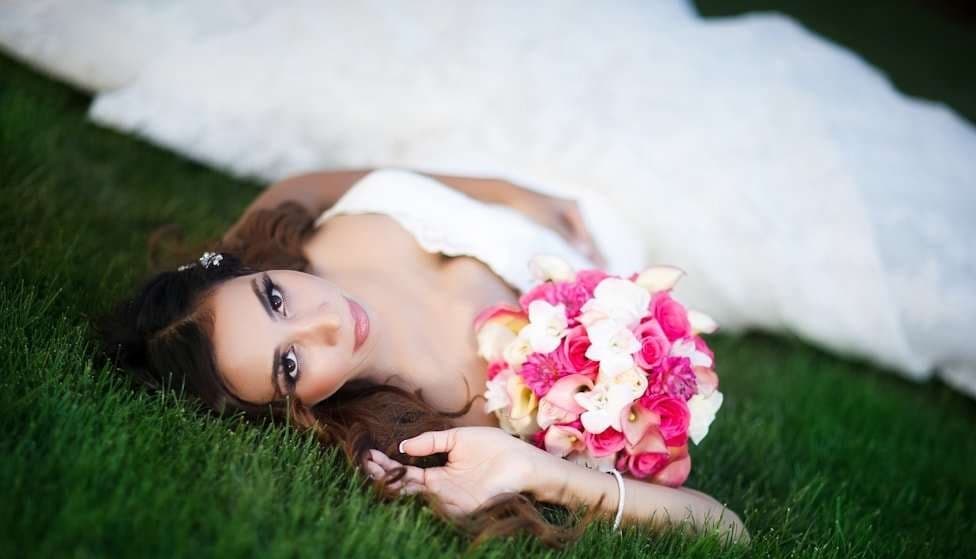
Below is a bridal portrait from that era, shot wide open on the 85. It is a low-resolution frame pulled from the original review, but it shows exactly why the frustration was worth it: the fall-off, the way the subject lifts off the background, the rendering you do not get anywhere else.
Autofocus Performance
This is the big one. This is the reason so many photographers have a love-hate relationship with the 85 f/1.2L. It is slow. Not just camera-slow, it is slower than a granny driving on the freeway after she won at bingo slow. And it is understandable, because to focus accurately at f/1.2 the lens is moving a huge, heavy chunk of glass, and it trades speed for accuracy to do it.
So what does that cost you at a wedding? Missed moments, potentially. In practice I worked around it. For first-dance and reception-floor shots I reached for the 135 or the 35. For ceremonies I shot the 135. The 85 earns its keep during couple's portraits, where I control the pace. One more warning for the DSLR crowd: this lens is allergic to servo mode on a Mark II. I would not even try to catch a couple walking back up the aisle with it.
Color, Contrast, and Clarity
This is a Canon L lens, and whatever else that little red ring buys you in build quality and corner sharpness, it also buys a real jump in color, contrast, and bokeh. I will preface this by saying I did not run scientific charts, this is opinion from shooting both. Compared to Canon's 85mm f/1.8, the L rendered with better saturation and more contrast, the kind that brings a frame to life. I tried to match the cheaper lens to it in post and I could not get there.
That is how I justified spending roughly $1,500 more for a slower-focusing prime. You are not paying for speed. You are paying for the look.
Sharpness
The 85 f/1.2L is a strong performer here. It is not as sharp as the 135mm f/2L wide open, but stop it down to f/2.0 and they are equal. It is sharper than any zoom I have used, with one exception: the 70-200mm f/2.8 IS II, which I would call its equal. I do not have charts for you, only pictures, and the pictures held up to a 100 percent crop with nothing applied but a small exposure nudge.
Is the 85 f/1.2L Right for You?
It depends on who you are as a shooter. What is your style? Does it lean on a shallow depth of field? Go back and look at the wedding blogs that set the tone for a generation, the Style Me Pretty and Junebug era, and the shallow look is everywhere. In my opinion, every wedding photographer should carry at least one fast prime, a 50 or an 85. If your style lives in that shallow, luminous look, you cannot go wrong with this lens, as long as you keep faster-focusing glass on hand for quick-changing moments.
I have known photographers who use the 85 as their single long lens all night. If that is you, and you can find a Canon 135mm f/2L at today's used prices, buy that too. The 85 f/1.2L is remarkable in some ways and falls short in others. Where it never falls short is image quality, and, yes, price. It is expensive, and the flip side is that it gives you a look many photographers cannot achieve without it.
A 2026 Update: The Lens That Would Not Die
Two updates, one old and one new. The old one: late in the lens's DSLR life, the focus problems became unbearable, so I sent the body and lens to Canon. It turned out there was a short in the circuit board causing the lens to focus improperly. After the repair it performed as well as, or better than, any of my other Canon primes. Lesson learned: use caution buying a lens like this used, and if a copy is missing focus in a way technique cannot explain, get it serviced before you give up on it.
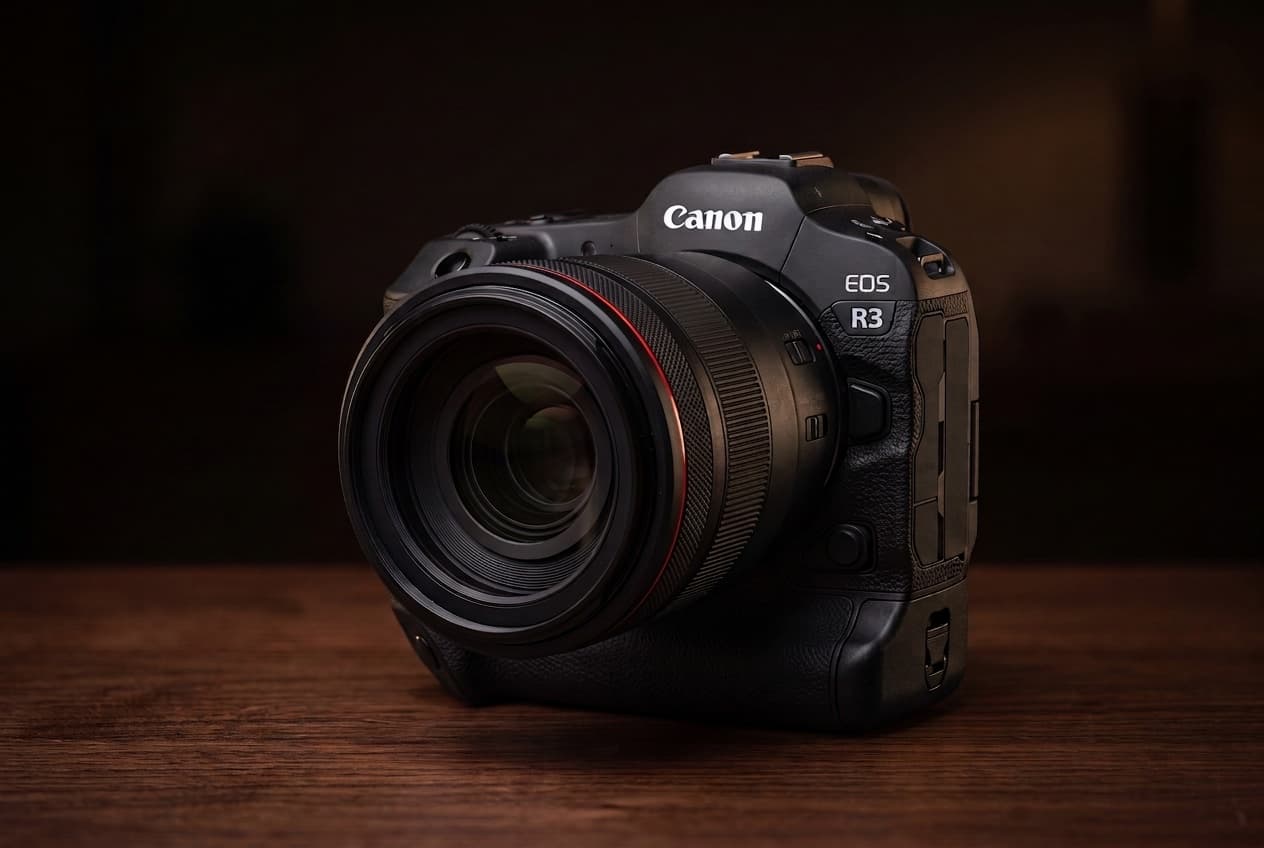
The new one: I do not shoot the EF version anymore. I moved to the native RF 85mm f/1.2L on my mirrorless bodies, and it is the lens this review was always chasing. Same signature rendering, that same f/1.2 separation, but the single biggest complaint in everything above, the focus, is simply gone. Eye-detect autofocus on a body like the R3 locks onto the plane my shoulders used to ruin, frame after frame, wide open.
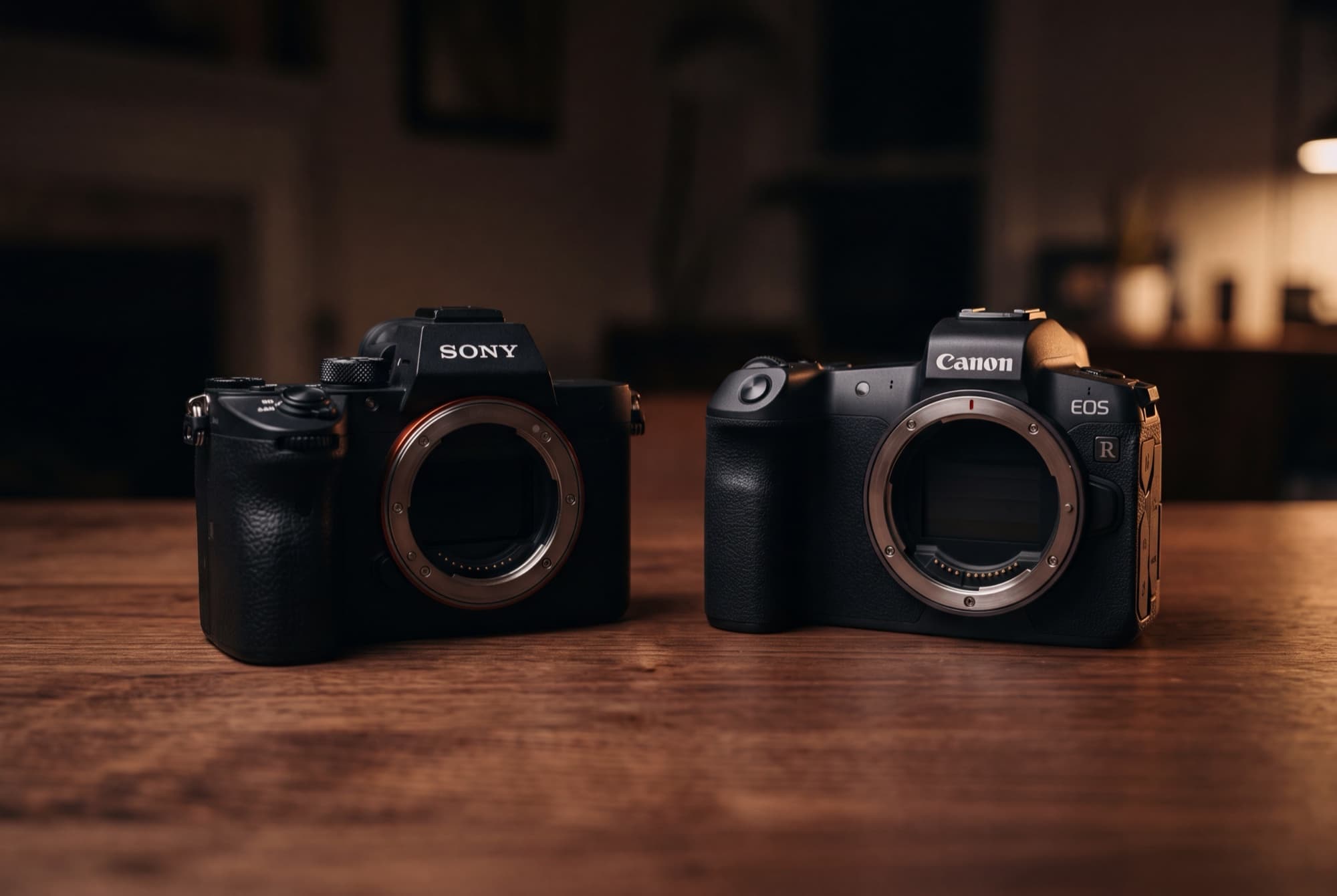
The old EF is still a genuine bargain on the used market, and it adapts cleanly to Canon RF bodies with the EF-EOS R adapter if you want the look without the RF price. But if you are building an RF kit and you can swing it, buy the native version. It is the lens I wish I had had during every frustrating test in this review.